If you’ve ever stood in a print shop, watching a roll of flexible plastic sign material zip through a printer, you’ve probably wondered at some point: can eco solvent ink actually stick to plastic? As someone who’s supplied eco solvent inks for over a decade, I’ve fielded this question a hundred times—from small business owners printing custom window decals to large signage firms wrapping entire storefronts. The short answer is yes, but it’s not as simple as grabbing any eco solvent ink off the shelf and printing on a plastic surface. There’s a lot more nuance here, and that’s what I want to break down for you today. Eco Solvent Ink
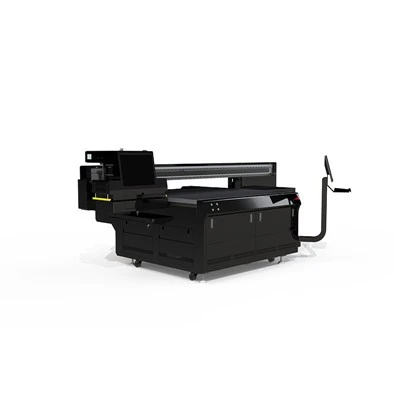
Let’s start with the basics, since that’s where most of the confusion comes from. Eco solvent ink was developed as a more sustainable alternative to traditional solvent inks, which use harsh, VOC-heavy chemicals that are bad for both the environment and the people printing with them. Traditional solvent inks rely on strong solvents like toluene and xylene to break down the ink pigments, soften plastic surfaces, and create a long-lasting bond. Eco solvent inks, on the other hand, use milder solvents—usually aliphatic hydrocarbons—so they emit far fewer volatile organic compounds, are non-toxic enough to handle without heavy respiratory gear, and don’t have that sharp, chemical smell that lingers in print shops for days. That sustainability is a huge win for businesses that want to cut their carbon footprint without sacrificing print quality, but it also changes how the ink interacts with different materials, especially plastic.
Not all plastic is created equal, and that’s the first key point anyone working with eco solvent ink needs to understand. The plastics that work best with eco solvent inks are the ones called non-porous, or low-surface-energy (LSE) plastics. These include common materials like polyethylene (PE), polypropylene (PP), vinyl, PET, and polycarbonate. These are the plastics you’ll use for most sign applications: vehicle wraps, window graphics, indoor and outdoor banners, even custom product labels. The reason these plastics work is that their molecular structure lets the milder solvents in eco solvent ink soften the top layer of the plastic just enough for the ink pigments to seep in and create a mechanical bond. Porous plastics, like untreated wood or fabric, won’t work nearly as well here, because eco solvent ink isn’t designed to sink deep into absorbent materials like water-based inks are.
But here’s where things get tricky: some LSE plastics require a little prep work before printing, even with premium eco solvent ink. I’ve had customers come to me frustrated because their print came off the plastic a week later, only to realize they skipped the surface treatment step. The most common issue is something called surface tension. Non-treated plastics have a very low surface tension, which means the ink beads up instead of spreading evenly. This not only makes the print look splotchy or uneven, but it also prevents the ink from forming a strong bond. The fix here is simple: use a surface activator (sometimes called a plasma treatment or corona treatment) before printing. I always advise my customers to test the surface tension of their plastic with a simple dyne pen. If the dyne level of the plastic is below 38 dynes/cm, it needs treatment. Most vinyl sign material already comes pre-treated, but if you’re working with a custom plastic roll or a smaller sheet, a quick pass with a corona treater will raise the dyne level just enough to make the ink stick.
Another common question I get is how durable eco solvent ink is on plastic, especially compared to other ink types. This is where my own experience as a supplier comes in handy, because I’ve seen firsthand how these inks hold up in real-world conditions. Unlike water-based inks, which can scratch off easily from plastic, or UV-curable inks, which can crack if the plastic bends or flexes, eco solvent ink forms a flexible, weather-resistant layer that stands up to sun, rain, temperature extremes, and regular handling. I had a customer last year who printed a fleet of food delivery vehicle wraps on high-density polyethylene (HDPE) panels, using our eco solvent ink, and those wraps are still bright and intact two years later, even through highway driving, road grime, and constant sun exposure. That kind of durability is one of the biggest reasons businesses choose eco solvent ink for plastic applications—no need to reprint or repair graphics every few months, which saves time and money in the long run.
But that’s not to say eco solvent ink works on every plastic. There are a few types that it won’t stick to well, and knowing which ones to avoid will save you a lot of frustration. The main culprits are plastics that have a non-stick coating or additives designed to prevent adhesion. For example, Teflon (polytetrafluoroethylene, or PTFE) is a synthetic plastic that’s famously non-stick, and even the best eco solvent ink won’t form a strong bond there. We also see issues with some rigid plastics that have mold-release agents added during manufacturing. Mold-release agents are used to make it easier to remove plastic parts from molds, but they leave a thin, slippery layer on the surface that repels ink. If you’re working with a plastic that’s new to you, the best approach is to test a small sample first. Print a tiny test patch on the plastic, let it dry for 24 hours, then rub it firmly with a cotton swab or a piece of tape. If the ink smudges or comes off, you’ll need to adjust your prep process or switch to a different ink type.
I’ve also had customers ask me about printing plastic items that need to be food-safe, like custom water bottles or food packaging labels. This is a valid concern, and one that we take very seriously as an eco solvent ink supplier. Most standard eco solvent inks are not food-safe, because they use solvents and pigments that can leach into food or drinks. But there are specialized food-grade eco solvent inks available, made with non-toxic pigments and solvents that meet regulatory standards like FDA 21 CFR for food contact. We work with several small businesses that print custom water bottle wraps and food container labels using these inks, and they’ve passed all required safety tests for their products. If you’re printing for food-related applications, it’s critical to specify that you need food-safe eco solvent ink, not the general-purpose formula you’d use for signage.
Over the years, I’ve also learned a lot about common mistakes that people make when using eco solvent ink on plastic, so let me share a few of those to help you avoid them. First, don’t skip the curing step. Even though eco solvent ink dries to the touch pretty quickly, it needs 24 to 72 hours to fully cure and form its permanent bond with the plastic. If you apply a laminate or handle the printed item too soon, the ink can smudge or scratch off. Second, don’t use the wrong type of laminate. If you’re printing outdoor plastic graphics, like vehicle wraps or banners, you’ll need a UV-resistant laminate to protect the ink from sun fading. Indoor graphics can use a standard laminate, but it’s still a good idea to apply one to prevent scratches. Third, don’t mix ink brands. Eco solvent inks are formulated to work with specific printers, and mixing different brands can cause clogs in your print head or uneven color. As a supplier, we always recommend using our inks with the printers we test them with, or at least checking compatibility with your printer model first.
Another point that often comes up is cost. I know that price is a big factor for many small business owners, and some people assume eco solvent ink is more expensive than other options. While it’s true that eco solvent ink has a higher upfront cost than water-based ink, the long-term savings add up. Because eco solvent ink is more durable, you’ll spend less time and money reprinting graphics that fade or scratch off. It also emits fewer fumes, which means you don’t need to invest in expensive ventilation systems for your print shop, as you would with traditional solvent ink. For businesses that print a lot of outdoor graphics or vehicle wraps, the durability of eco solvent ink on plastic makes it a more cost-effective choice overall.
Let’s talk about a few real-world examples to put all this into context. Last year, I worked with a local sign company that wanted to print custom yard signs for a real estate developer. The signs were made of corrugated plastic, which is a type of PP plastic. The company had tried water-based ink before, but the signs would smudge within a day of being placed in the rain. We recommended our eco solvent ink, plus a quick pass with a corona treater to prep the plastic surface. The signs printed perfectly, and they stayed bright and legible for three months, even through rain and wind—way longer than the water-based signs they’d used before. Another example: a client who printed custom vinyl window decals for a retail store. They’d used UV-curable ink before, but the decals would crack when they were removed and repositioned for store remodels. Switching to eco solvent ink meant the decals were flexible enough to peel off and reapply without cracking, while still sticking strongly to the glass (which is a non-porous surface that works great with eco solvent ink too, by the way).
If you’re still on the fence about whether eco solvent ink works for your plastic printing needs, my advice is simple: test it. Most reputable ink suppliers will provide sample sizes, so you can print a small test patch on your plastic material, let it cure, and test its durability. Run it through rain, rub it with a cloth, bend it if it’s a flexible material—put it through the same conditions your final product will face. That’s the only way to be sure it’s going to work for your specific application.
At the end of the day, eco solvent ink absolutely works on plastic—when you use the right prep steps, choose the right ink type for your application, and test before you commit. It’s a sustainable, durable, cost-effective option for everything from vehicle wraps to product labels to yard signs, and it’s only getting better as ink technology advances. We’ve spent years refining our eco solvent ink formulas to work better on all types of plastic, reducing curing times and improving adhesion even on tricky LSE plastics, and we’re always here to help our customers navigate any questions or challenges they run into.
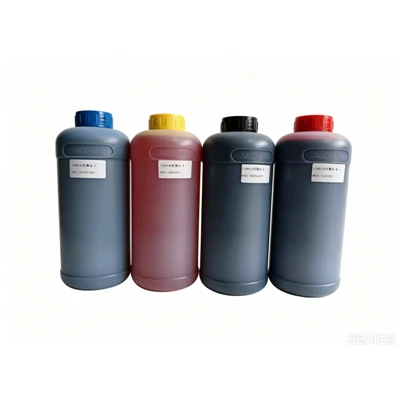
If you’re looking to switch to eco solvent ink for your plastic printing projects, or if you have questions about which ink is right for your specific needs, feel free to reach out to us to discuss your requirements and order samples. We’re happy to help you find the perfect solution for your business.
Eco Solvent Ink References
- International Organization for Standardization (ISO). 2019. ISO 14001: Environmental management systems — Requirements with guidance for use.
- Print Industries of America (PIA). 2021. “Eco-Solvent Ink Technology: A Guide for Printers.” PIA Technical Bulletin.
- Surface Treatments Inc. 2020. “Dyne Level Testing for Plastic Substrates: Best Practices for Print Adhesion.” Technical White Paper.
- Food and Drug Administration (FDA). 2022. “21 CFR Part 175: Indirect Food Additives: Adhesives and Components of Coatings.”
- Society of Plastics Engineers (SPE). 2018. “Adhesion of Printing Inks to Non-Porous Plastics.” SPE Technical Paper Series.
Shenzhen ZYH Digital Technology Co., Ltd.
As one of the most professional eco solvent ink manufacturers and suppliers in China, we have world-leading production equipment and strong manufacturing capabilities. Please feel free to wholesale durable eco solvent ink at competitive price from our factory.
Address: Niuzai Park, Xinlian Community, Longcheng Street, Longgang District, Shenzhen City, China.
E-mail: sheena@zyh-group.com
WebSite: https://www.uvprinter-zyh.com/
