What even is a stillage? I swear, when I first started out in this game working with manufacturing and warehouse teams, I thought it was just another random word for “storage thing.” Spoiler: I was dead wrong. If you’re here because you’re staring at a stack of pallets wondering why you’re seeing stillages mentioned next to forklifts and inventory checks, let’s break this down like we’re grabbing a coffee on a break—no stuffy jargon, just the real deal. Stillages

First, let’s get the basics out of the way: a stillage is basically a heavy-duty, reusable metal (sometimes wood, but 99% of the time steel these days) frame that’s built to hold, stack, and move bulk goods. Think of it like a elevated shelf you can drive a forklift under, or a stackable crate that doesn’t collapse when you pile 500kg of parts on top. But here’s the thing that makes it way more useful than a regular pallet or a plastic bin: it’s designed for repeated use, not a one-off trip to the dump.
I know what you’re thinking—“I’ve used pallets for years, why would I bother with a stillage?” Fair question. Let’s run through a few scenarios where stillages actually shine. Say you’re a metal fabrication shop stashing steel pipes, or a food manufacturer storing crates of fresh produce, or a logistics team moving car parts between factories. Pallets are flat, right? If you stack stuff on a pallet, it can slide off, or get crushed if you pile too high. Stillages have sides—sometimes low, sometimes tall, even mesh or solid panels—to keep your load secure while it’s being moved or stored. And because they’re stackable when empty, you’re not wasting half your warehouse space with a bunch of bulky pallets taking up room when they’re not in use.
Wait, let’s talk size, because stillages aren’t one-size-fits-all. You’ve got the standard euro stillage, which fits perfectly in a standard shipping container—no wasted space when you’re moving goods overseas. Then there are heavy-duty stillages, the ones we supply that can handle up to 2,000kg of stuff, perfect for construction materials or large machinery parts. There are even nested stillages, which fold down when empty so you can store 3 times more of them in the same space as a regular one. I’ve heard so many clients say “we had no idea we were wasting 20% of our warehouse floor on empty containers until we switched to nested stillages” — that’s the kind of win that makes my job worth it.
Let’s clear up a common mix-up: stillages vs. pallets vs. cages. A lot of people use “stillage” and “pallet” interchangeably, but they’re not the same. Pallets are flat, designed to be stacked on, lifted from underneath with forks. Stillages have four legs (or more) so you can lift them from below, and a frame around the sides. They’re basically a step up in durability and versatility. Then there’s a warehouse cage—sometimes people call that a stillage, but a cage is usually for securing small, high-value items like electronics, whereas a standard stillage is for bulk, uniform goods. I’ve had clients come to me needing “stillage cages” and that’s exactly what we make—custom ones with mesh sides to keep small parts from falling out while letting you see what’s inside.
Now, why are stillages such a big deal right now? Let’s talk sustainability. Back in the day, companies would use pallets once then throw them away, or buy plastic bins that crack after a few trips. Stillages are built to last 10+ years, so you’re not throwing away packaging every time you move a load. They’re also 100% recyclable steel, so at the end of their life, you don’t have a bunch of plastic or wood waste clogging up landfills. I’ve had clients switch to stillages and cut their packaging waste by 70% — that’s not just good for the planet, it looks great on their ESG reports too.
Another big one: efficiency. Forklift drivers love stillages because they don’t have to waste time strapping down loads or worrying about things sliding off during transport. A stillage keeps everything neat and contained, so a driver can pick up a full one, drop it in a warehouse bay, and move on to the next job. For warehouses dealing with SKUs that need to be stored upright or stacked, stillages eliminate “dead space” — you can stack three stillages high in a racking system, whereas pallets would only fit two. I’ve heard of a client who cut their pick time by 30% just because their team didn’t have to hunt for loads scattered across pallets, all marked clearly on the stillage frame.
Wait, but aren’t stillages expensive upfront? Yeah, they cost more than a stack of pallets at first glance. But here’s the math: a good stillage lasts 10 years, while a pallet costs a few bucks and lasts a single trip. Let’s say you move 10 loads a week—10 pallets a week times 52 weeks a year is 520 pallets a year, that’s $1,500+ a year just on pallets. A stillage from us costs a few hundred bucks, and if you reuse it every week, that’s $1,500 spread over 5 years, not 1. Add in the space you save, less damage to your goods (no slides, no crushed pallets breaking your parts), and less labor wasted on strapping—you come out way ahead. I’ve got a client in the automotive industry who told me they saved $40k a year after switching from pallets to our stillages. That’s a no-brainer, right?
Let’s bust a few myths while we’re at it. Myth 1: Stillages are only for heavy stuff. Nope, we make small stillages for storing electronics or office supplies, even lightweight ones for fruit and veg that don’t need super heavy-duty frames. Myth 2: They’re hard to repair. Not at all—we stock replacement parts so if a weld snaps or a corner gets bent, you don’t have to throw the whole stillage away, just swap out the broken part. Myth 3: They’re only for big companies. We supply small manufacturers, local warehouses, even craft breweries that need to move crates of beer kegs—no order is too small, no project is too niche.
How do you know if you need stillages? Let’s run through a quick checklist: If you’re moving bulk goods in regular cycles, if you’re running out of warehouse space, if your current packaging is getting damaged too often, if you’re dealing with high turnover of pallets or bins. If any of those sound like you, stillages are worth a look.
I get it, trying new storage gear can feel like a hassle, but here’s the thing: we don’t just sell stillages—we work with you to figure out what you actually need. Last month, a small food packing company came to us saying they needed stillages that fit their existing crates, didn’t get in the way of their conveyor belts, and were easy to clean between batches. We didn’t just push a standard stillage—we adjusted the height, added rounded edges to make cleaning faster, and even marked a wipe-down area right on the frame. That’s the stuff that matters, not one-size-fits-all garbage.
At the end of the day, a stillage isn’t just a piece of metal. It’s a tool that makes your warehouse run smoother, saves you money long-term, and cuts down on waste. If you’re tired of pallets that break mid-shipment, wasting space with empty containers, or paying for new packaging every month, let’s chat. We can walk through your current setup, show you what stillages would work for your goods, and answer any dumb questions (I promise there are no bad questions when it comes to this stuff). Don’t just take my word for it—ask any of our regular clients, they’ll tell you the same: stillages aren’t a luxury, they’re a game-changer.
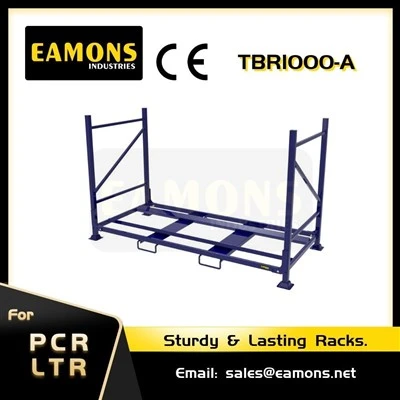
So if you’re here because you’re googling “what is a stillage” because you’re looking to upgrade your storage or transport, you’ve found the right place. No sales pitches, no confusing jargon, just straight talk about how stillages can make your life easier. Hit us up to chat about your needs, no pressure, just real advice from someone who’s been in this game long enough to know what works.
Stacking Racks References:
- Industrial Steel Storage Association. (2022). Reusable Packaging Solutions for Manufacturing & Logistics.
- Warehouse Efficiency Report. (2023). The Impact of Stillages on Warehouse Space Utilization.
- Sustainable Packaging Coalition. (2021). Circular Economy Benefits of Reusable Steel Stillages.
Qingdao Eamons Industries Co., Ltd.
As one of the most professional stillages manufacturers and suppliers in China, we’re featured by quality products and good service. Welcome to buy bulk customized stillages made in China here from our factory. If you have any enquiry about cooperation, please feel free to email us.
Address: Room 1720, Poly Center Mansion, No.1068 Jinshui Road, Licang District, Qingdao City, Shandong Province, China
E-mail: Sales@eamons.net
WebSite: https://www.eamons.net/
