If you’ve ever stood beside a commercial truck, a heavy-duty construction vehicle, or even a delivery van and noticed there are two sets of wheels under its frame, odds are one of those sets is connected to a drive axle and the other isn’t. As an axle supplier who’s spent the last 12 years working with fleet managers, truck builders, and repair shops, I’ve heard hundreds of questions about non-drive axles—most of them from people who confuse them with their more famous, power-spinning cousins, the drive axles. A lot of folks assume every set of wheels under a large vehicle has to pull its weight, but nothing could be further from the truth. Today, I want to break down exactly what a non-drive axle is, how it works, why it matters for your vehicle’s performance, and why choosing the right one is a decision that can save you money, time, and headaches in the long run. Axle
Let’s start with the basics: An axle is a central shaft that sits under a vehicle’s chassis, usually supporting a set of wheels. There are two primary types, differentiated by whether they transfer power from the engine to turn the wheels. A drive axle is the one that gets torque from the transmission, sends it through a differential, and spins the wheels to move the vehicle forward. A non-drive axle, as the name implies, does none of that. It’s a passive, load-bearing component that supports the vehicle’s weight, maintains track (the distance between the wheels on that axle) so the vehicle doesn’t wander off course, and lets the wheels rotate freely as the vehicle moves—no power, no torque, just steady, reliable support.
I’ve seen so many people mix these two up, especially when they’re shopping for replacement parts. A common mistake I hear is someone ordering a heavy-duty drive axle for a trailer or a box truck only to realize they wasted money on something they didn’t need. Non-drive axles come in a few different styles, too, depending on what kind of vehicle they’re paired with, and each serves a specific purpose. For light-duty passenger vehicles, you’ll find dead axles (another common term for non-drive axles, since they don’t drive) at the front of front-wheel-drive cars, where the drive axle is at the rear. Those are usually simpler, lighter, built to handle just the weight of the engine and front-end components, plus the force of steering. For medium and heavy-duty commercial vehicles, the non-drive axles are usually called pusher axles or lift axles, and that’s where things get really useful for fleet operations.
Let’s talk about pusher axles first, because they’re the most common non-drive axle on semi-trucks and straight trucks. A pusher axle sits ahead of the drive axle, right under the front of the trailer or the rear of the truck’s cab. Wait, “ahead” might sound confusing—for a semi going forward, “ahead” is the front, so the pusher axle is between the front steer axle and the rear drive axle. It’s non-driven, so it doesn’t get power, but it adds extra weight-carrying capacity. If you’re running a delivery truck that hauls heavy pallets, or a semi that’s carrying a full load, you have to stay within legal axle weight limits on roads and bridges. Add a pusher axle, and you can split the weight between more axles, which means you can carry a heavier total load without running afoul of DOT rules. That’s a huge win for fleet owners, because it means fewer trips, more revenue per run, and less time waiting to comply with weight regulations.
Then there are lift axles, which are also non-drive, and they’re a game-changer for vehicles that don’t always need that extra set of wheels. A lift axle lets you raise the non-drive axle off the ground when you’re running light, and lower it when you’re hauling heavy loads. Why would you want to do that? If you’re a garbage truck that’s only half-full on a morning run, putting unnecessary weight on an extra set of wheels wastes fuel, wears out tires faster, and puts extra stress on the chassis. Lift axles solve that problem. When the truck is empty, you lift the non-drive axle, so only the drive and steer axles are on the road—less rolling resistance, better fuel efficiency, longer tire life. When you get to the landfill and your truck is fully loaded, you lower the axle to add the extra weight capacity, so you stay legal and safe. As an axle supplier, we’ve seen more lift axle orders go up every year, because fuel costs and weight regulations keep getting tighter. It’s a simple design, but it delivers real, tangible savings.
Now, let’s get into how a non-drive axle actually works, because it’s surprisingly simple, but that simplicity is why it’s so reliable. Unlike a drive axle, which has an inner differential, universal joints, and axles shafts that transfer power, a non-drive axle is a solid or split beam that connects the two wheels. In most cases, the wheels are mounted on bearings that let them spin freely around the axle shaft—no moving parts except the bearings, which means less to break, easier maintenance, and longer service life. The axle beam itself is made from high-strength steel, forged to handle heavy loads, with precision machining to ensure the track is consistent. For lift axles, there’s an additional hydraulic or air-powered system that lets you raise and lower the beam, but that’s the only moving part beyond the wheel bearings.
I often get asked: “Why would I not just have two drive axles instead of a non-drive axle?” Great question, and the answer comes down to weight, cost, and efficiency. A drive axle is heavier and more complex—you need that differential, the universal joints, the power transmission components, all of which add weight to the vehicle. Extra weight means more fuel to move it, which adds up over thousands of miles. A non-drive axle is lighter, so it doesn’t drag down fuel efficiency. It’s also cheaper to manufacture and maintain: if a wheel bearing goes bad on a non-drive axle, it’s a simpler repair than replacing a drive axle’s differential. Plus, drive axles are designed to handle torque, so they’re overbuilt for just carrying weight. A non-drive axle is built exactly for its job, which makes it a better value for the work it does.
Another common question: “Do non-drive axles need maintenance the same way drive axles do?” The short answer is no, not as much. Drive axles need differential fluid changes, universal joint lubrication, and regular inspections for torque-related wear. Non-drive axles mostly need wheel bearing inspections and grease changes, tire pressure checks, and occasional checks on the lift axle’s hydraulic system if it has one. That’s a big deal for fleet managers, who have to stick to strict maintenance schedules. Less time working on axles means more time on the road, and lower parts and labor costs. I’ve seen fleets cut their axle-related maintenance costs by 30% just by switching to the right non-drive axle setup instead of over-specifying drive axles for every position.
Let’s talk about real-world examples, because this isn’t just theory. Last year, a client of mine runs a fleet of 20 straight delivery vans for a regional grocery chain. For years, they had two drive axles on each van, thinking it would give them more power for hauling heavy cases of produce. But they were seeing fuel costs jump 12% a year, and they were replacing drive axle differentials every 18 months because of constant torque stress. We worked with their engineers to swap one of the drive axles for a non-drive pusher axle. Within six months, their fuel costs dropped 10%, they haven’t had to replace a single axle part in 12 months, and they’re able to carry the same amount of load without issues. That’s not a small win—for a fleet that runs 100,000 miles a month, that’s tens of thousands of dollars in savings every year.
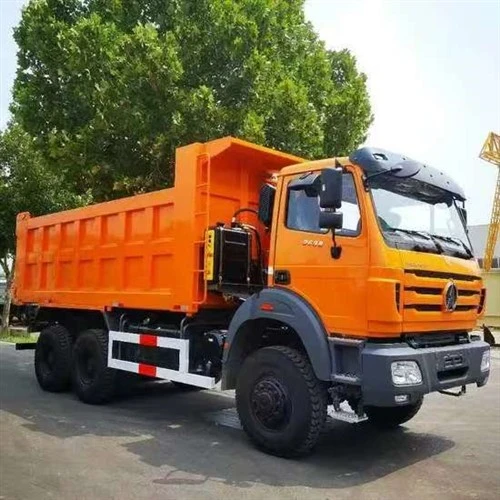
Another example: a construction company we supply lift axles for. They run dump trucks that carry dirt, gravel, and concrete to job sites. When they’re hauling a light load of supplies to a small job, they lift the non-drive axle, so only the two drive axles are on the road. When they’re bringing a full load of gravel to a highway project, they lower the axle to meet DOT weight limits. Before they started using lift non-drive axles, they were overloading 20% of their loads, which resulted in $50,000 a year in DOT fines. Now, they’re within weight limits every time, and their tire wear is down 25% because they’re not dragging extra wheels when they’re light. That’s the kind of real impact a properly specified non-drive axle can have.
Now, I want to address some misconceptions that I hear all the time, because they lead to bad decisions. Some people think non-drive axles are only for heavy vehicles, but that’s not true. A lot of small utility trucks, RVs, and even some passenger cars use them. A standard two-wheel-drive sedan has a non-drive axle at the front, right? The front wheels steer and support the weight, and the rear axle is the drive axle. If your car was front-wheel drive, the front axle is the drive axle, and the rear is the non-drive one. It’s the same principle, just scaled down. For RVs, the rear axle is usually a non-drive axle, because the engine is at the front, powering the front wheels, and the rear just carries the weight of the living quarters.
Another misconception: all non-drive axles are the same. That’s a mistake we see all the time in replacement parts. If you order a non-drive axle for a 10,000-pound straight truck, and you put one rated for 6,000 pounds, it’s going to bend or break under load. If you use an axle that’s too heavy, you’re wasting money on extra weight and higher manufacturing costs. That’s why working with an experienced axle supplier matters. We don’t just sell parts—we work with you to figure out exactly what your vehicle needs. What’s the GVWR (Gross Vehicle Weight Rating)? What kind of loads do you carry? What are your daily routes like? All of that determines the right non-drive axle for your application.
I’ve also had customers ask about the difference between a solid non-drive axle and a split non-drive axle. Solid axles are a single beam, which are common on heavy-duty trucks and trailers, because they’re extremely durable. Split axles are two separate beams, with a small gap in the middle, which lets each wheel move independently over bumps. Those are used on passenger cars, light-duty vans, and some smaller delivery vehicles, because they improve ride quality. For commercial vehicles, solid non-drive axles are usually the better choice, because they can handle more concentrated load, and they’re simpler to manufacture and repair.
When is the right time to upgrade or replace a non-drive axle? That’s a question I get a lot. Common signs that your non-drive axle needs attention are uneven tire wear, a wandering steering wheel (that’s a sign the track is off), grinding noises from the wheels, or if the lift axle won’t raise or lower properly. A lot of people wait until an axle breaks, but that’s a costly mistake. Axle failures can cause accidents, damage other parts of the vehicle, and lead to expensive downtime. As your axle supplier, we recommend routine inspections every 10,000 miles, or every six months, whichever comes first, to catch small issues before they become big problems.
Now, let’s circle back to why this matters for you, whether you’re a fleet manager, a truck builder, or an owner-operator. A non-drive axle isn’t just a spare set of wheels—it’s a component that’s tailored to support your vehicle’s needs, without the extra cost, weight, and complexity of a drive axle. It’s a simple, reliable part that delivers big savings in fuel, maintenance, and compliance with weight regulations. But only if you get the right one. Too many people cut corners by ordering a generic axle, or they over-specify a drive axle when they don’t need it, and end up paying for it in the long run.
If you’re running a fleet, building custom trucks, or need replacement axles for your vehicles, the best thing you can do is work with a supplier who knows non-drive axles inside and out. We’ve spent 12 years engineering, manufacturing, and supplying axles for all kinds of commercial and light-duty vehicles, and we can help you specify the right axle for your exact use case. We don’t sell one-size-fits-all parts—we take the time to understand your operations, your load requirements, and your budget, so you get a non-drive axle that works as hard as you do. Whether you’re looking for pusher axles for your straight trucks, lift axles for your semi-trailers, or replacement axles for your delivery vans, we can help.

If you’re ready to talk about upgrading your axle setup, or need replacement parts, we’re here to help. We’ve worked with hundreds of fleets across the country, helping them reduce costs, improve efficiency, and keep their vehicles on the road. All you have to do is reach out to us to start a conversation about your non-drive axle needs. We’ll walk you through your options, answer all your questions, and make sure you get the right part for your vehicle.
Axle References
- SAE International. (2021). Commercial Vehicle Axle Design and Performance Standards. Warrendale, PA: SAE International.
- National Highway Traffic Safety Administration (NHTSA). (2022). Commercial Vehicle Weight and Axle Load Regulations. Washington, D.C.: U.S. Department of Transportation.
- axle manufacturers association. (2020). Non-Drive Axle Design and Maintenance Guidelines. Detroit, MI: Axle Manufacturers Association.
- International Organization for Standardization (ISO). (2019). Road Vehicles – Axle Terminology and Classification. Geneva, Switzerland: International Organization for Standardization.
Owin Vehicles Co., Ltd.
As one of the most professional axle manufacturers and suppliers in China, we also support customized service. With abundant experience, we warmly welcome you to wholesale advanced axle for sale here from our factory. Quality products and low price are available.
Address: Room 2428, Building 3, Aosheng Building, Licheng District, Jinan City, Shandong Province
E-mail: Owinvehicle@163.com
WebSite: https://www.owintrailer.com/
