Hey there, fellow HVAC pros, facility managers, and anyone who’s ever dealt with the headache of a screw chiller refrigerant leak—we’ve all been there. You’re mid-peak cooling season, your chiller’s running like a champ one minute, then suddenly the pressure gauge drops, the alarm blares, and your team’s scrambling to find the leak before your space turns into a sweatbox. As a screw chiller supplier who’s worked with hundreds of clients over the last 12 years, I can tell you this: most refrigerant leaks aren’t just “bad luck.” They’re preventable, if you know what to look for and how to fix small issues before they blow up into costly breakdowns. Screw Chillers
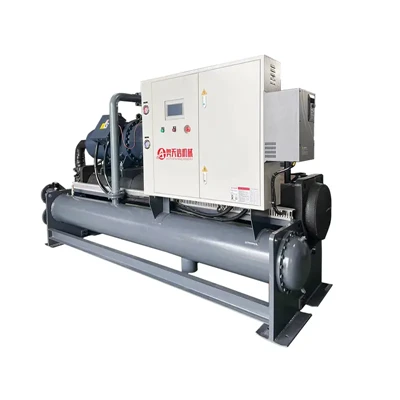
First off, let’s cut through the jargon for a sec. Screw chillers use refrigerant to absorb heat from your building’s water loop, right? If that refrigerant escapes, your chiller can’t do its job, and you’re looking at production delays, spoiled inventory, or uncomfortable working conditions. Plus, leaks are bad for the environment—hydrofluorocarbons (HFCs) used in most screw chillers are potent greenhouse gases, so fixing leaks isn’t just practical, it’s the right call.
Over the years, I’ve seen every mistake in the book. From a loose valve cap left on during a routine service to a corroded line that no one checked because it was “out of sight.” That’s why today, I’m breaking down the actionable, day-to-day steps you can take to stop leaks before they start. No fancy training required, just consistent habits and some basic checks.
Let’s start with the foundation: installation and commissioning. A lot of people think leaks happen years down the line because of wear and tear, but 30% of all refrigerant leaks I’ve seen trace back to a botched install or a shoddy first startup. Here’s what to nail here. When we deliver a screw chiller to a client, our techs don’t just roll it into place and hook up the lines. We pressure test every single line with nitrogen before charging with refrigerant. Wait, why nitrogen? Because if you use just air, moisture gets trapped, and that causes corrosion over time. Nitrogen is dry, inert, so it won’t react with the metal lines. We also use a halide leak detector or an electronic sniffer to check every joint, every weld, every valve connection before we even turn the unit on. If you skip that step, you might have a tiny leak that’ll get worse as the unit vibrates during operation.
Another install mistake I see a lot? Under-tightened flare connections. Flared lines are super common in screw chillers, but if you don’t torque them to the right spec, they’ll loosen up from vibration. For most 1.5-inch flare lines, we torque them to 35 ft-lbs—easy to remember, and it’s the sweet spot between too loose and too tight (over-tightening can crack the flare nut, which is an instant leak source). Pro tip: always use a torque wrench, not a regular wrench that’s only good for turning bolts, not setting exact pressure. I’ve seen techs over-tighten a flare so much the nut stripped, leading to a leak three months later that cost the client $2,000 in emergency service. Ouch.
Next up, routine maintenance. This is where most clients slack, and it’s the biggest leak culprit. You don’t have to do a full teardown every month, but sticking to a quarterly check-up schedule will catch 90% of potential leaks early. Let’s break down what to actually check, not just “look for leaks.”
First, visual inspections. Walk around your chiller every 3 months, take 10 minutes to scan the refrigerant lines, fittings, and the chiller’s shell for any signs of oil. Wait, why oil? Because liquid refrigerant mixes with the compressor oil in a screw chiller, so if refrigerant is leaking out, oil comes with it. Look for shiny, wet spots on the lines or the ground under the chiller—those are called “oil stains,” and they’re a dead giveaway for a leak. I had a client last year who thought his chiller was just “running low on refrigerant” when really, he had a tiny oil spot on a line joint that he missed during winter. By the time summer hit, the leak got big enough that he had to replace the entire compressor because the oil level was too low to lubricate the screws. That’s a $15,000 mistake that could’ve been prevented with a quick visual check.
Then, pressure and temperature checks. Your chiller’s gauge panel is your best friend here. If the suction pressure drops 5 psi or more between checks, that’s a red flag. It means refrigerant is escaping somewhere. Same with discharge pressure—if it spikes or drops unexpectedly, don’t just reset the alarm, investigate. We give our clients a free cheat sheet with their specific chiller model’s normal pressure ranges, so they don’t have to guess. For example, our 50-ton air-cooled screw chillers have a normal suction pressure of around 75-85 psi at 80°F ambient temp. If that’s down to 60 psi, you know something’s off.
Another maintenance step: replace old gaskets and seals. Most screw chillers have shaft seals around the screw compressor shaft, which is where the motor connects to the rotating screws. Over time, these seals harden and crack, especially if you’re using the chiller 24/7. We recommend replacing shaft seals every 3-5 years, depending on usage. A lot of clients wait until there’s a leak to replace them, but by then, the seal has already worn down enough that debris can get in and damage the compressor. It’s a $100 part, but if you wait too long, you’re looking at a $10,000 repair. Worth the $200 every 4 years to swap it out during a routine service.
Now, what about environmental factors? Your chiller doesn’t exist in a vacuum (pun intended), and things like where you place it, corrosion from nearby chemicals, or extreme temperature swings can cause leaks. For example, if your chiller is outdoors in a coastal area, the salt air will eat away at metal lines faster. I’ve seen clients in Florida who had to replace line gaskets every 2 years because of salt corrosion, compared to clients in Ohio who go 5 years. If you’re in a harsh environment, adjust your maintenance schedule—swap out gaskets every 2-3 years, not 5.
Another common issue: vibration from adjacent equipment. If your chiller is right next to a fan, pump, or another machine that vibrates a lot, the constant movement can loosen line connections over time. That’s why we always suggest isolating your screw chiller with vibration pads when we install it. It’s a small extra cost during setup, but it prevents joints from working themselves loose. I had a client who skipped the vibration pads, and after a year, the line between the condenser and evaporator developed a leak from constant vibration. He had to shut down his production line for 12 hours to fix it, losing $50,000 in revenue. The vibration pads would’ve cost $500, total.
Wait, let’s talk about the mistakes people make when they do find a leak. A lot of techs will just patch a small leak and call it a day, but that’s a band-aid. If you find an oil spot or a pressure drop, you need to locate the exact source before you fix it. How? You can use a bubble test: mix a bit of dish soap with water, spray it on the joint, and if it bubbles, that’s your leak spot. Or use an electronic leak detector—they’re cheap, like $50, and they’re way more accurate than the old bubble method. Once you find the leak, fix it properly: tighten a loose flare to the right torque, replace a cracked seal, or re-weld a line if it’s a weld leak. Don’t just wrap it with tape or add sealant—those temporary fixes only last a few weeks, and the leak will come back worse. I’ve seen a client use a “leak seal” spray on a compressor leak, and it clogged the compressor’s filters, leading to a shutdown. Dumb move.
Now, let’s get into some long-term habits that prevent leaks. First, keep accurate records. Every time you service your chiller, note the refrigerant level, pressure readings, and any small leaks you found. That way, you can track trends—if your suction pressure drops every spring, that’s a sign of a seasonal leak from temperature changes. If you don’t have records, you’re guessing every time something goes wrong. We give all our clients a free digital maintenance log template, so they can easily track this stuff.
Another habit: train your team. A lot of leaks are found by someone who’s not a chiller tech—like a facility maintenance guy or even a operations manager who notices the chiller is running louder than usual. Teach your team what to look for: oil spots, hissing sounds (if the leak is big enough), the chiller running non-stop even when it’s not that hot. We do free 30-minute training sessions for all our clients, so their staff knows the basics. It’s a small investment that saves you from big problems.
Wait, let’s address a common myth: “Newer screw chillers don’t leak.” No, that’s not true. We’ve had clients with brand-new 2024 screw chillers that leaked because the factory missed a weld during production, or the line wasn’t torqued right at the factory. That’s why we do a pre-shipment leak test for every unit we make—we charge it with nitrogen, hold it for 24 hours, and check for pressure drops. But no manufacturer is perfect, so doing your own post-install test is still important.
Let’s put this all together with a real example. Last year, a client of mine in Atlanta had a 100-ton screw chiller that was leaking refrigerant every summer. He’d been adding refrigerant once a month for two years, costing him $800 a pop, and finally called us to fix it. Our tech did a full check, found two issues: first, the shaft seal was cracked from salt air (he’s in a coastal suburb), and second, a line joint that had loosened from vibration. We replaced the seal, re-torqued the joint, and he hasn’t had a leak since. Total cost for the fix was $1,200, which is way less than he was spending on refrigerant every month. The lesson here: don’t treat a leak as a “refrigerant top-off” problem. Fix the root cause.
Now, what if you do have a big leak? Don’t panic. Turn off the chiller, evacuate the refrigerant (don’t just let it vent into the air— that’s illegal in most places), and call a professional. But the best way to handle leaks is to prevent them in the first place. All the steps I talked about are doable for any facility, no matter the size—small office buildings, manufacturing plants, data centers, whatever.
At the end of the day, screw chillers are workhorses, but they need consistent care, not just when they break. Skipping maintenance, cutting corners during installation, or ignoring small oil spots leads to costly repairs, downtime, and even environmental fines. We’ve built our business on helping clients avoid these headaches, so if you’re looking to upgrade your chiller, or if your current unit is acting up, we’re here to help. We don’t just sell chillers—we give you the tools and advice to keep it running for 20+ years with minimal issues.
If you want to chat through your specific setup, ask questions about your maintenance routine, or get a quote for a new screw chiller, reach out to our team. We’re happy to walk you through anything, no sales pressure, just real advice from people who’ve been in the HVAC game for decades.
Industrial Air Cooler References:
- Air-Conditioning, Heating, and Refrigeration Institute (AHRI). 2023. “Refrigerant Leak Prevention Guidelines for Commercial Chillers.”
- United States Environmental Protection Agency (EPA). 2022. “Reducing Refrigerant Emissions from Commercial HVAC Equipment.”
- ASHRAE. 2021. “Standard 15: Safety Standard for Refrigeration Systems.”
- Screw Chiller Manufacturers Association. 2023. “Best Practices for Screw Chiller Installation and Maintenance.”
- Occupational Safety and Health Administration (OSHA). 2022. “Preventing Equipment Failure in Industrial HVAC Systems.”
Kunshan Aotianxin Machinery Co., Ltd.
We’re well-known as one of the most reliable screw chillers manufacturers in China. With abundant experience, our factory offer high quality screw chillers made in China with low price. If you have any enquiry about quotation and free sample, please feel free to email us.
Address: 550 Shengguang Road, Bacheng Town, Kunshan City, Jiangsu Province
E-mail: 1516722561@qq.com
WebSite: https://www.atxks.com/
