If you run a quick search for “best materials for indoor spaces,” you’ll see a lot of talk about durability, style, and ease of care—but few sources break down why aluminium alloy products keep showing up at the top of the list. As a supplier who’s spent the last 12 years walking into construction sites, boutique design studios, and residential remodels, I’ve watched builders and homeowners shift from wood, plastic, and even steel to aluminium alloys for everything from trim to cabinetry hardware. What makes this material so versatile, and which indoor products actually shine when they’re made from it? Let’s break down the most common, practical, and in-demand aluminium alloy products you’ll find in homes, offices, and commercial indoor spaces. Aluminium Alloy Products

First, it helps to ground this in a basic fact about aluminium alloys: unlike pure aluminium, which is soft and prone to bending or scratching, alloys mix aluminium with small amounts of elements like copper, magnesium, manganese, or silicon. This creates a material that’s 30% stronger than pure aluminium, highly corrosion-resistant, and infinitely malleable for everything from thin extrusions to thick, structural panels. For indoor use, that last point is key. Indoor spaces don’t face the harsh UV rays or salt exposure that outdoor aluminium sees, but they do deal with fluctuating humidity, daily wear from foot traffic, and the occasional spill or stain—so the material needs to hold up without losing its shape or finish.
Let’s start with the most ubiquitous aluminium alloy indoor product: window and door frames. If you’ve ever looked at a modern apartment or a newly built office building, chances are the frames holding the glass are aluminium. What most people don’t know is that residential and commercial indoor frames often use a specific alloy: 6063-T5, which is prized for its ability to be extruded into narrow, sleek profiles that don’t feel bulky, plus its resistance to the condensation that forms on window glass in cool indoor climates. Unlike wood frames, which warp if exposed to high humidity (think bathrooms or basements) and need constant repainting, aluminium frames won’t swell, rot, or require upkeep for decades. I recently supplied a project for a downtown boutique hotel where every guest room window and interior door frame was made from extruded aluminium alloy; the project manager told me six months in, no one had reported a scratch or a misaligned frame, which is unheard of with wood frames in that kind of high-traffic space.
Next up, cabinetry and storage solutions. For a long time, wood or laminate cabinets were the default, but aluminium alloy cabinets have exploded in popularity, especially in contemporary kitchens, laundry rooms, and commercial kitchen storage areas. Why? First, they’re non-porous, so spills from coffee, oil, or cleaning products won’t seep into the material and cause staining or mold— a huge plus for busy kitchens or high-moisture spaces like vanities in bathrooms. Alloy cabinets, usually made from 5052 aluminium, are also lightweight but stiff, so a 10-foot wall of cabinets won’t sag at the middle, unlike some laminate options. I also see a lot of clients using aluminium alloy drawer pulls, hinges, and internal storage organizers—small products that make a big difference in functionality. Unlike plastic pulls, which crack or fade in a year, or steel hardware which rusts if exposed to steam, aluminium hardware maintains its brushed or anodized finish for years. Last year, we supplied hardware for a luxury apartment complex; one unit had a child who spilled grape juice on all the pulls, and the property manager later told me a quick wipe with soap and water was all it took to remove the stain—no discoloration, no replacement needed.
Another often-overlooked category is structural and decorative trim. Baseboards, crown molding, door casings, and wall paneling—all of these are now regularly made from aluminium alloy, especially in commercial spaces like offices, schools, and retail stores. Trim has to do a lot: it protects the edges of walls from scuffs from carts, furniture, or foot traffic, and it ties a room’s design together. Aluminium alloy trim, usually extruded into sharp, clean profiles, resists impact far better than wood or MDF trim. I once had a client who owned a chain of coffee shops; their old MDF baseboards would get scuffed within months of opening, so they switched to 6061 aluminium alloy trim, which has a higher strength-to-weight ratio and can withstand the bumps from baristas carrying trays and rolling carts. For residential use, people also use aluminium trim around fireplaces or in sunrooms, where humidity and temperature fluctuations can warp other materials. The anodized finish on aluminium trim also comes in hundreds of colors—from matte black to polished silver—so it can match any design aesthetic, from minimalist to industrial.
Then there’s furniture, both residential and commercial. Aluminium alloy furniture is usually thought of for outdoor patios, but indoor pieces are just as common, especially for desks, conference tables, and accent chairs. The key here is that indoor furniture made from aluminium is low-maintenance and lightweight, which makes it easy to rearrange in offices or small apartments. Conference tables, for example, often have aluminium alloy frames paired with glass or wood tops; the frames are sturdy enough to hold a 50-pound glass top, but thin enough to not overwhelm a small meeting room. Even upholstered accent chairs use aluminium alloy for their internal frames, which is a secret most people don’t know—aluminium frames are more resistant to warping than wood, so the chair will keep its shape for 10+ years, rather than sagging after a few years of use. I also supply a lot of aluminium alloy shelving units, which are popular in home offices, walk-in closets, and retail display cases. Unlike wire shelving, which bends under heavy boxes, or wood shelves that stain or scratch, alloy shelves are smooth, rust-proof, and easy to clean—perfect for storing dishes in a pantry or clothes in a closet where moisture can build up.
Let’s not forget smaller, but still essential, products like lighting fixtures and HVAC components. Indoor lighting has shifted a lot in the last decade, with many designers choosing sleek, modern fixtures made from aluminium alloy. Pendant lights, wall sconces, and track lighting are often extruded or cast from aluminium, because the material conducts heat well—critical for LED bulbs, which need consistent temperature to last long. Aluminium alloy also doesn’t corrode from the heat of bulbs or the moisture in bathrooms or laundry rooms, so a fixture in a steamy bathroom won’t develop rust spots, unlike a steel or brass fixture. For HVAC systems, indoor air handlers and vent covers are frequently made from aluminium alloy, because it’s lightweight, won’t rust from condensation, and is easy to shape into thin, precisely cut vents. I recently supplied vent covers for a new elementary school; the school maintenance team said they get far fewer calls about clogged or damaged vents than they did with the old steel ones, since aluminium alloy is lightweight enough to move for cleaning but durable enough to stand up to kids’ backpacks and cleaning carts.
Now, you might be wondering: what makes aluminium alloy a better choice than other indoor materials? I’ve been in this business long enough to hear all the counterpoints—people say it’s too expensive, or too cold, or doesn’t feel “homey” enough. Let’s address those. First, while initial costs might be slightly higher than basic laminate or plastic, aluminium alloy products have a 20+ year lifespan with almost no maintenance, so they save money in the long run. A wood cabinet that needs refinishing every 5 years will cost far more than an aluminium cabinet that only needs a wipe down once a month. As for feeling “cold,” modern finishes—brushed, powder-coated, even faux wood-grain anodized—give aluminium a warm, customized feel that works in kitchens, bedrooms, and living rooms. We’ve even supplied faux-wood grain aluminium window frames for residential clients who didn’t want the bulky look of real wood, but liked the warm tone it added to their living rooms.
What’s also important for indoor use is that aluminium is 100% recyclable, which is a big selling point for clients who care about sustainability. Unlike wood, which requires cutting down trees, or plastic, which takes centuries to decompose, aluminium can be melted down and reused infinitely without losing quality. Most of the alloy products we supply for indoor spaces are made from at least 70% recycled aluminium, which resonates with both residential clients and commercial businesses working toward green building certifications.
Over the years, I’ve seen trends shift a lot, but one thing stays consistent: when a client visits our showroom or talks to me about their project, they often come in looking for a material that works as hard as they do. That could be a homeowner who wants cabinets that won’t stain after a decade of cooking, or a restaurant owner who wants trim that won’t get scuffed by rolling trays. Aluminium alloy indoor products check every box: durability, low maintenance, style, and sustainability. That’s why, even as new materials enter the market, we’re still getting more requests than we can handle for products like frames, cabinets, trim, and furniture components.
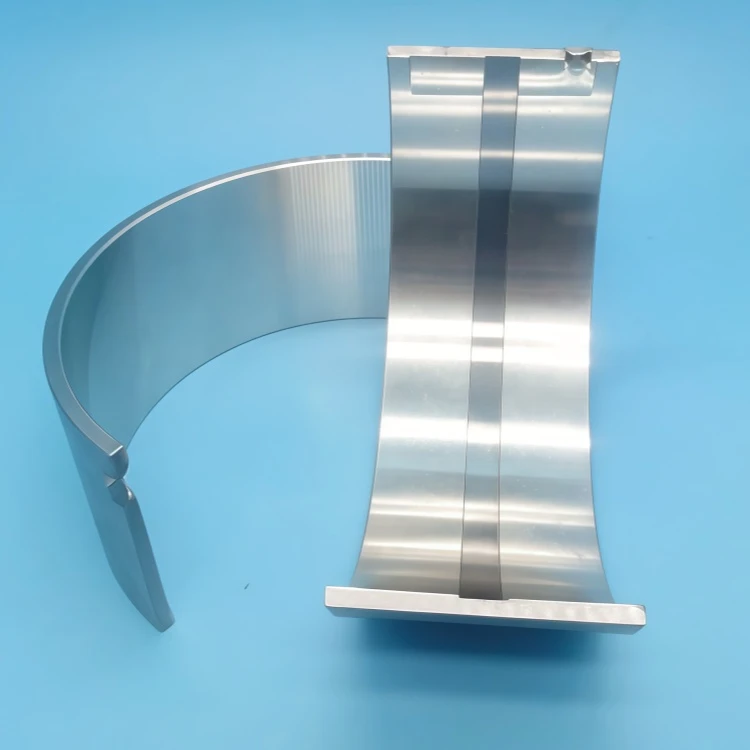
If you’re a contractor, designer, or homeowner looking for aluminium alloy indoor products that fit your project, I’ve worked with every type of project from small bathroom remodels to full commercial office builds. I can help you choose the right alloy for your needs, whether that’s 6063 for sleek window frames or 5052 for moisture-resistant cabinetry. Reach out to discuss your specifications, timeline, and any custom needs you have—we’re here to help you find the right aluminium alloy products that will work for your indoor space for years to come.
Fluid Film Bearings References
- ASM International. (2020). Properties of Wrought Aluminium Alloys. ASM Handbook.
- National Kitchen & Bath Association. (2022). Material Selection for Indoor Cabinetry. NKBA Design Guidelines.
- Aluminum Association. (2021). Aluminium in Building and Construction: Indoor Applications. The Aluminum Association.
- Smith, J. (2019). Durability of Extruded Aluminium Trim for High-Traffic Indoor Spaces. Journal of Interior Design and Construction.
- International Code Council. (2020). Residential and Commercial Building Codes for Indoor Materials. ICC Safety Standards.
Wenzhou Zhengbang Bearing Co., Ltd.
We are one of the most professional aluminium alloy products manufacturers and suppliers in China. With abundant experience, we warmly welcome you to buy customized aluminium alloy products at competitive price from our factory. If you have any enquiry about free sample, please feel free to email us.
Address: Units 1-1 and 3-1, Building 12, Yongxing Nanyuan Small and Micro Enterprise Startup Park, Binhai 2nd Road, Yongxing Subdistrict, Longwan District, Wenzhou City, Zhejiang Province.
E-mail: zbbearing@zbbearing.com
WebSite: https://www.zb-bearings.com/
