If you’re a supplier of facial paper like I am, you know that our products are marketed for gentle use on skin—removing makeup, blotting excess oil, wiping away sweat. But lately, I’ve had more questions from customers, both small café owners and home bakers, about whether that same soft, disposable facial paper is safe for touching raw food. It’s a fair question. For years, facial paper has been a staple in bathrooms and office break rooms, but now, with more people prioritizing safe, no-fuss food prep, the line between “for personal use” and “for food contact” is getting blurry. As someone who’s spent 12 years in this industry, I want to break down what’s true, what’s not, and what that means for anyone considering using facial paper around raw ingredients—plus, why you shouldn’t assume all disposable paper products are created equal when it comes to food safety. Facial Paper

First, let’s start with the basics: what is facial paper, exactly? Most facial paper sold today is made from virgin wood pulp, sometimes blended with a small percentage of recycled pulp for softness. Unlike paper towels, which are often thicker and treated for absorbency with chemicals like chlorine dioxide (to break down wood fibers) or wet-strength resins (to prevent them from falling apart when wet), facial paper is designed to be gentle. That means it undergoes a milder bleaching process—usually elemental chlorine-free (ECF) instead of totally chlorine-free (TCF)—and no harsh additives that could irritate skin. But here’s the catch: even though we don’t add harsh chemicals for skin safety, that doesn’t automatically mean it’s safe for food contact. The standards for what’s allowed to touch skin vs. food are very different, and that’s where a lot of confusion comes in.
Let’s talk about food safety regulations, because this isn’t a guess—it’s backed by science. In the U.S., the Food and Drug Administration (FDA) regulates materials that come into contact with food, setting limits on chemical residues, microbial counts, and potential cross-contamination. For a material to be labeled “food-safe,” it has to pass tests showing that any chemicals leaching into food are below levels that could cause harm, and that it won’t transfer bacteria from the paper to the food. Facial paper, on the other hand, is regulated by the Consumer Product Safety Commission (CPSC), which focuses on skin irritation and safety for personal use. There’s no requirement for facial paper to meet FDA food-contact standards, so even if two products look identical on the shelf, one could have a higher level of chemical additives that make it unsuitable for raw food.
For example, I recently had a customer, a small bakery owner in Portland, tell me she used our facial paper to line cookie dough while she portioned it. A few weeks later, she got a call from her local health department, explaining that raw dough is high-risk for salmonella and E. coli, and that any paper used to touch it should be food-safe. When she checked our product’s specs, she found that our facial paper’s microbial count was tested for skin safety, not for food-contact standards. That means while the paper had no bacteria levels that would irritate skin, it hadn’t been tested to ensure it wouldn’t carry bacteria from the manufacturing process to raw food. Bacteria like E. coli can survive on dry paper surfaces for up to four days, according to a 2019 study in the Journal of Food Protection, so even if your hands are clean, the paper itself could be a source of contamination if it’s not designed for food contact.
Another point: chemical additives. Some facial paper products use perfumes or softening agents to make them feel nicer on skin. Those additives are tested for skin safety, but they’re not approved for food contact. If you use a perfumed facial paper to wipe raw chicken, for instance, those chemicals could leach into the meat. While the amount might be small, regular exposure to even low levels of unapproved chemicals is a concern for people who handle food regularly. I’ve seen this first-hand—last year, a restaurant supply store asked if we could make a “dual-purpose” facial paper that was both skin-safe and food-safe. We did some testing, and the problem was that the softening agents we use for facial paper don’t pass FDA leaching tests. The only way to make a paper soft enough for skin and safe for food is to skip the harsh softeners entirely, which is what we do for a smaller line of food-safe disposable paper we offer. But that’s a separate product from our regular facial paper.
Now, let’s address a common myth: that “pure” paper (no additives) is automatically food-safe. That’s not true either. Even virgin wood pulp, which is the main ingredient in facial paper, can have residual chemicals from the pulping process. For wood pulp, the process of breaking down wood into fibers uses chemicals like sodium hydroxide and sulfuric acid. For facial paper, we rinse the pulp thoroughly to remove those chemicals, but the rinse isn’t as rigorous as it is for food-grade paper. Food-grade paper requires that all chemical residues are below 0.5 parts per million (ppm), while facial paper only needs residues low enough to not irritate skin—often up to 10 ppm, depending on the product. That might sound like a small difference, but when it comes to raw food, even low levels of certain chemicals can be a problem. The FDA has a list of “indirect food additives” that are allowed in paper products, but facial paper is not on that list, so any residues from its manufacturing process could qualify as an unapproved additive if they leach into food.
Another angle: cross-contamination. If you use facial paper in your bathroom, it’s likely stored near cleaning products, hand soap, or even toilet cleaners. Those products can transfer fumes or residues to the paper, which then end up on raw food. I’ve had a client who stored a box of facial paper in a pantry next to a can of cleaning spray for dishes. When she used the paper to wipe raw vegetables, the paper picked up a small amount of the spray, and while it wasn’t enough to make her sick, it gave the vegetables a weird chemical taste. Food-safe paper products are stored in facilities that are separate from cleaning chemicals, and they’re packaged in sealed wrappers to prevent cross-contamination during shipping and storage. Facial paper, on the other hand, is often sold in open boxes, so it can pick up dust or other contaminants on the store shelf or in your home.
That said, is there any case where facial paper is safe for raw food? If you’re talking about very dry, low-moisture raw ingredients like flour or dry pasta, the risk might be lower. Raw flour, for example, has a low water content, so bacteria can’t multiply as easily. But even then, the chemical residues and potential cross-contamination from manufacturing still apply. I’d never recommend using regular facial paper for any direct contact with raw food, especially high-risk foods like chicken, eggs, or dairy. For those, stick to paper products labeled explicitly as “food-safe” and approved by the FDA.
Now, what does this mean for suppliers like me? It’s a responsibility I take seriously. Over the last few years, I’ve made changes to our product line to be more transparent about what our facial paper is—and isn’t. Every box of our facial paper now has a clear label that says “Designed for skin contact only, not for direct food contact.” We also include a note on our website and in product manuals explaining the difference between our personal-use paper and our food-safe line. I’ve had customers who used to buy our facial paper for food prep reach out, and now they only buy our food-safe products. It’s not that they’re disappointed—they appreciate the transparency.
One of the biggest mistakes I see in the industry is that some suppliers market facial paper as “multi-purpose” without clarifying that it’s not food-safe. That’s misleading, and it puts customers at risk. As someone who’s been in this business for 12 years, I’d rather be clear than oversell a product. Our facial paper is great for removing makeup, blotting oily skin, wiping up spills on countertops (just not ones with raw food), and even wrapping delicate flowers. But when it comes to raw ingredients, it’s not the right choice.
Let’s also talk about user behavior, because even if the paper is safe, how you use it matters. If you use a single sheet of facial paper once, throw it away, and don’t touch raw food with it later, the risk is minimal. But if you reuse facial paper for multiple tasks—like wiping your hands, then wiping raw chicken, then wiping your cutting board—you’re creating a cross-contamination risk. That’s true for any paper product, but it’s especially important with facial paper, which isn’t designed to prevent bacteria from transferring. Food-safe paper is designed to have a smoother surface and tighter fibers that prevent bacteria from seeping through, while facial paper’s softer, more porous fibers can trap bacteria and transfer it easily.
So, to wrap this up: the short answer is no, regular facial paper is not safe for raw food contact. The longer answer has to do with regulatory standards, chemical additives, bacterial risks, and cross-contamination. As a facial paper supplier, I want you to be confident in the products you use. That’s why we’re committed to transparency, and why we offer a separate line of food-safe disposable paper for anyone who needs a soft, reliable option for food prep. If you’re a restaurant owner, a baker, or just someone who’s curious about safe paper products for your home, I’d love to chat. We can talk about your needs, show you our testing results, and help you figure out the right product for your situation. Don’t assume that all paper is created equal—when it comes to raw food, the small differences in manufacturing and testing can make a big difference in safety.
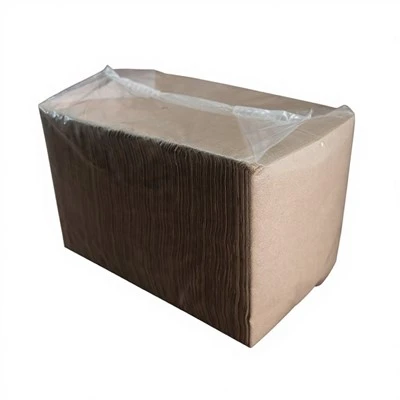
If you’re ready to learn more about our facial paper products or our line of food-safe paper for food contact, feel free to reach out to discuss your specific needs. We’re here to help you make safe, informed choices for your business or home.
Facial Paper References
- U.S. Food and Drug Administration. (2024). Food Contact Substances: Regulatory Overview.
- Consumer Product Safety Commission. (2023). Safety Standards for Facial Tissues and Paper Products.
- Journal of Food Protection. (2019). Survival of Bacteria on Dry Paper Surfaces.
- National Academy of Sciences. (2022). Chemical Residues in Paper Products for Consumer Use.
Hangzhou Mingxuan Sanitary Products Co., Ltd.
Hangzhou Mingxuan Sanitary Products Co., Ltd. is one of the most professional facial paper manufacturers and suppliers in China. With abundant experience, we warmly welcome you to buy bulk high-end facial paper for sale here from our factory. If you have any enquiry about cooperation, please feel free to email us.
Address: Hangzhou Mingxuan SanitaryProducts Co.,Ltd. 2-1, Baijia, Wuliqiaocun, Xindeng, Fuyang, Hangzhou City, Zhejiang, China. 311404
E-mail: sales2@mx-paper.com
WebSite: https://www.mx-paper.com/
