Hey folks, if you’re running a factory, a materials lab, or even a startup testing out new mechanical parts, you already know how critical mechanical testing is—right? I’ve been selling mechanical testing gear for over a decade, and let me tell you, one mistake on the safety front here can turn a routine test into a disaster. You don’t want that, and I don’t want to ship a machine that puts your team at risk. So let’s break down the actual safety requirements for mechanical testing, the stuff that’s not just on a dusty OSHA pamphlet but comes from years of people calling me panicking because a test went wrong. Mechanical Testers
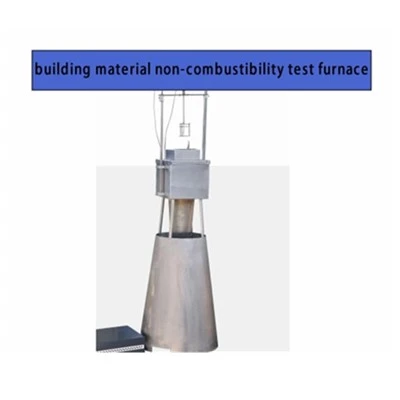
First off, let’s start with the machine itself—no, not the fancy load frame or the extensometer, but the physical guardrails. Wait, I say “guardrails” like it’s a road, but think cages, interlocking doors, emergency stop buttons that are impossible to miss. You’d be shocked how many small labs skip this because they want a “clear view” of the test. I had a guy last year run a tensile test on a steel bolt, and when it snapped, the piece flew right through the gap between his “partial guard” and the test bed. Broke his arm. Dumb, right? So here’s the rule: any test that involves a load over 10 kN (that’s like 2,200 pounds, for the non-engineers) needs a full, interlocked guard. Interlocked means if you open the guard mid-test, the machine shuts off automatically—no exceptions. I don’t care if you’re testing a tiny plastic part for a toy; if the machine can throw a fragment, you need that guard. Also, the emergency stop (E-stop) can’t be a tiny button on the back of the control panel. It has to be big, bright red, and within arm’s reach of anyone operating the machine—like, right on the front or a hanging cord. I’ve tested this on my own gear: if you can’t find the E-stop in 2 seconds, it’s useless. That’s a non-negotiable, no cutting corners here.
Next, personal protective equipment (PPE)—but not just the generic “wear goggles” stuff. Wait, for mechanical testing, it’s specific. First, safety glasses aren’t enough for most tests. If you’re doing impact testing (like Charpy or Izod), or any test where a sample might shatter, you need face shields that go all the way down to your chin, not just glasses. I once sold a set of impact testers to a school lab, and a student wore regular glasses when a PVC sample shattered—cut his cheek. The face shields I supply are shatter-resistant, and I make it a point to tell every lab I work with: no face shield, no test. Also, closed-toe shoes. I know, some of you work in labs where people wear sneakers, but a 10-pound metal bolt falling 3 feet onto an open toe? That’s a trip to the ER. And no loose clothes or jewelry—no scarves, no dangling necklaces, no long sleeves that can get caught in the moving parts. I’ve had a lab tech’s hoodie sleeve get pulled into the crosshead of a tensile tester; he got a few stitches, and we had to swap out the machine’s interlock sensor. It’s avoidable, just pay attention to that stuff.
Then there’s the test planning side—way more important than most people think. Before you even run a test, you have to map out the “potential failure points.” What happens if the sample breaks too early? What if the load cell glitches and applies too much force? What if the hydraulic line (if you’re using a hydraulic tester) leaks? I always tell my customers to do a pre-test check: tighten all sample fixtures, inspect hydraulic lines for cracks, test the E-stop three times before hitting “start.” Last month, a customer told me he skipped that pre-check, and his hydraulic tester had a line leak that sprayed oil all over his lab floor. Someone slipped, broke their wrist. Pre-test checks aren’t a formality—they’re safety. Also, you can’t run a test alone if the load is over 50 kN. You need a spotter. Why? Because if something goes wrong, two people can react faster than one. I supply small lab units too, but even my tabletop tensile testers (max 20 kN) should have someone watching when you test materials like ceramics or glass. Those shatter into tiny shards that can fly farther than you think.
Wait, let’s talk about hydraulic vs. electromechanical testers—because the safety needs are different. Hydraulic ones are more powerful, so their safety systems have to be redundant. Like, not just one pressure relief valve, but two. If one fails, the other cuts the pressure before it can blow a line. Electromechanical testers have moving crossheads, so you need a limit switch that stops the crosshead if it goes too far up or down. I’ve had a few customers try to “bypass” the limit switch to test a longer sample, and that’s when the crosshead crashed into the load frame. Messed up the machine, and almost hit the operator. Don’t do that. Ever. I’d rather you send the sample to a third-party lab than mess with the safety switches on my gear.
Another thing: training. I can sell you the safest machine on the market, but if your tech doesn’t know how to use it, it’s a hazard. A lot of small labs skip formal training, so I offer free 1-hour training sessions when you buy my mechanical testers—no extra charge. I walk through the E-stop, the interlocks, the pre-test checks, how to adjust the sample fixtures, and what to do if something goes wrong. Last year, a startup guy bought a tabletop tester, skipped the training, and tried to run a test without calibrating the load cell. The data was wrong, but worse, the sample slipped out and hit his leg. He called me that day, said he should’ve done the training. So yeah, training isn’t just a nice-to-have—it’s a safety requirement.
Oh, and waste disposal after tests. A lot of people forget that. If you’re testing toxic materials (like certain metals, or plastics with additives), the shards or dust from the test can be harmful. I always tell customers to collect the test samples in a sealed bin, not just toss them in the trash. For labs that test radioactive materials (rare, but some do), you need special containment gear. I don’t supply that, but I make sure to warn anyone buying my gear that handles those materials to check with their local regulatory agency. No one wants toxic shards ending up in a landfill, or getting into someone’s lungs.
Wait, let’s make this real—what happens if you don’t follow these rules? I’ve seen it first-hand: a lab in Detroit didn’t use interlocks on their impact tester, a sample shattered, a piece hit the control panel, the machine kept running, and the operator couldn’t reach the E-stop. He almost got crushed between the crosshead and the frame. Scary stuff. Another lab in Chicago skipped face shields, a metal rod snapped and flew into their eye. Blind in one eye now, all because they wanted a better view of the test. It’s not worth it.
Now, I know some of you are thinking, “This all sounds expensive.” But what’s more expensive: a machine repair, an ER bill, workers’ comp, or even a lawsuit? I’ve seen customers spend 10 times more on fixing the aftermath of a safety incident than they would’ve spent on following these rules. My mechanical testers are built with these safety features standard—no extra cost for interlocks, E-stops, limit switches. I don’t skimp on that, because my job isn’t just to sell a machine—it’s to make sure your team goes home safe every day.
So if you’re setting up a new testing lab, or upgrading your current gear, don’t cut corners on safety. The requirements aren’t just hoops to jump through—they’re there to protect you, your team, and your investment. If you’re ready to talk about which mechanical tester fits your needs, or have questions about any of these safety points, hit me up. I’m here to help, not just make a sale.
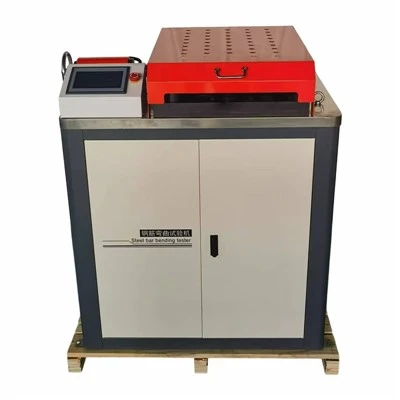
Before I wrap this up, let’s be clear: these are the hard safety requirements I’ve learned over 10 years in this business, from OSHA guidelines, from lab techs, from the mistakes I’ve seen. They’re not just random rules. If you follow these, you’ll have a safe, productive testing process.
Material Testing Machines References
- Occupational Safety and Health Administration (OSHA). 29 CFR 1910.212, General Requirements for All Machine Guards
- American Society for Testing and Materials (ASTM). Standard Practice for Mechanical Testing of Metals (E8/E8M-21)
- International Organization for Standardization (ISO). ISO 10120:2019, Mechanical testing of metals – Safety requirements for tensile testing machines
- National Institute for Occupational Safety and Health (NIOSH). Safety Guidelines for Mechanical Testing Laboratories
Hebei Wanluda Testing Instrument Equipment Co., Ltd.
As one of the most professional mechanical testers manufacturers and suppliers in China, we have world-leading production equipment and strong manufacturing capabilities. Please rest assured to buy advanced mechanical testers made in China here from our factory.
Address: Zhouguantun Village, Xian County, Cangzhou City, Hebei Province, P.R.China
E-mail: wldinstrument@163.com
WebSite: https://www.wldinstrument.com/
