If you’ve ever stood by a gabion wall that’s been chipped by rain, spotted with rust, or crusted with dirt from a construction site, you know how easy it is to overlook these sturdy wire mesh cages that hold stone in place. As a gabion box supplier, I get asked all the time: “How do I keep these things looking good, working well, and lasting as long as they should?” The truth is, cleaning gabions isn’t just about making them look neat. Dirt buildup, mineral stains, and rust can eat away at the wire over time, weakening the structure and shortening its lifespan. I’ve spent years working with gabions—helping landscapers, contractors, and homeowners install them—and I’ve learned that cleaning them doesn’t have to be complicated. It just takes the right steps, a little patience, and knowing what materials to use (and what to skip). Gabion Box
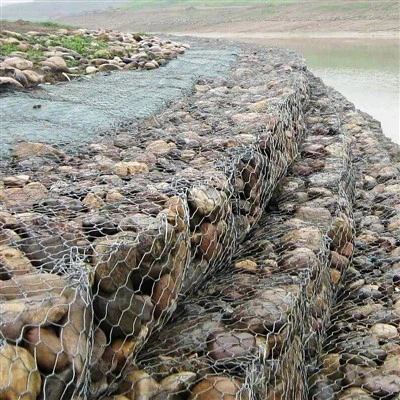
First, let’s start with the basics: knowing what your gabions are made of. Most standard gabion boxes are either galvanized steel or galvanized steel with a PVC coating. Galvanized gabions have a zinc layer to resist rust, while PVC-coated ones add an extra plastic layer, usually in gray or green, to protect the zinc and give a more finished look. Cleaning these two types is slightly different, so identifying yours is the first step before you grab a pressure washer or a scrub brush. If you installed the gabions yourself, you probably have the paperwork that says the material, but if not, give a quick check: PVC-coated ones have a smooth, plastic-like surface, while galvanized ones have a matte, silvery finish.
The best time to clean gabions is right after installation, and then every 1 to 2 years after that—depending on where they’re located. Gabions near roads get splashed with salt and road grime in winter, while those in damp, wooded areas might get moss or algae growing on them. I always tell customers to schedule a cleaning in late spring, after the worst of winter weather, or early fall, before the rainy season ramps up. Cleaning when the weather is mild (not blazing hot, not freezing) is also better because chemicals or water won’t evaporate too fast or freeze mid-process, which can cause streaks or damage.
Now, let’s talk about the tools you’ll need. The good news is you probably already have most of these around your garage or workshop. For the initial prep, you’ll want a stiff-bristled nylon brush—never a metal brush, because metal bristles can scratch the galvanized or PVC coating, leaving spots where rust can set in. A soft-bristled broom works for loose dirt, too. Next, a garden hose with a spray nozzle that can switch between a gentle shower setting and a jet setting, but I recommend starting on the lowest pressure to test how the gabion holds up. For tougher stains, like mineral deposits from hard water or construction residue, you’ll need a mild cleaning solution. Skip heavy-duty chemicals like bleach, ammonia, or strong acid-based cleaners—these can eat away at the zinc or PVC coating, damaging your gabions permanently. Instead, a mix of warm water and mild dish soap works for most dirt and grime. For mineral stains, a 50/50 mix of white vinegar and water is gentle but effective. For moss or algae, a solution of oxygen bleach (not chlorine bleach) and water is safe and won’t harm plants nearby if you rinse it off properly. You’ll also want a pair of rubber gloves to protect your hands, safety glasses to keep debris out of your eyes, and maybe a ladder if your gabion wall is tall.
Let’s walk through the step-by-step process, starting with the gentlest method for regular maintenance, then moving to tougher jobs. The first step is always to clear the area around the gabion. Pull back any plants, rake away leaves or mulch, and remove any objects that are leaning against the wall or blocking access. This not only makes cleaning easier but also ensures you don’t damage nearby plants or accidentally spray debris into flower beds. If your gabions are filled with stones, make sure there are no loose rocks on the surface that could fall out when you’re scrubbing—give the whole wall a gentle tap with your hand to secure them.
Next, do a dry sweep first. Use the soft broom to brush off loose dirt, leaves, dust, and cobwebs from the wire mesh. This step might seem small, but it prevents you from spreading dirt around when you add water, making the cleaning job faster. For gabions that are really dusty from a construction site, you can skip to the hose here, but keep the spray on the lowest setting, holding the nozzle about a foot away from the mesh to avoid bending the wires.
Now, moving to cleaning solutions. For regular dirt and light stains, fill a bucket with warm water and a few drops of mild dish soap (I like Dawn or another original formula—avoid citrus scents, which can be too strong for outdoor surfaces). Dip your stiff nylon brush into the soapy water and scrub the mesh in circular motions, working from the bottom of the gabion up. Why bottom up? So the dirty water runs down, not over areas you’ve already cleaned. Take your time with the mesh, getting into all the small gaps between the wire and around the stones. Once you’ve scrubbed a section, rinse it off thoroughly with the garden hose, again using gentle pressure to avoid damaging the wire.
For tougher stains, like mineral deposits that look like white or gray crusts, the vinegar and water mix is your go-to. Spray the solution onto the stained areas and let it sit for 10 to 15 minutes—don’t let it dry on, because that can leave streaks. After it sits, scrub the area with your nylon brush, then rinse completely. I’ve seen customers make the mistake of using undiluted vinegar, which can corrode the zinc coating on galvanized gabions, so always stick to the 50/50 mix. If you have PVC-coated gabions, undiluted vinegar is even more risky because it can break down the plastic layer over time, so extra care here.
Moss and algae are common in damp, shaded areas, and they can make your gabion wall look slippery and worn. For these, mix oxygen bleach with water according to the package instructions (usually about a cup of oxygen bleach per gallon of water). Spray the solution on the mossy areas and let it sit for 20 to 30 minutes—you’ll see the moss start to turn brown and lift. Scrub gently with your nylon brush (be careful not to push too hard, because moss roots can be in small crevices) then rinse thoroughly. The best part about oxygen bleach is that it’s safe for grass, plants, and pets, so you don’t have to worry if it drips onto your lawn. If you use chlorine bleach, it can kill plants and discolor stone, so I highly recommend avoiding it.
Now, what about rust spots? Rust is one of the biggest enemies of gabions, because it eats away at the wire structure. Small rust spots, not the whole wall, can usually be fixed with a light treatment. For galvanized gabions with surface rust (not deep rust), use a paste of baking soda and water, scrub the spot gently with a nylon brush, then rinse. This removes the surface rust without damaging the zinc layer. If you have a deep rust spot that’s eating through the wire, it’s a sign that the gabion’s coating is damaged, and that spot needs to be repaired or replaced. As a supplier, I always tell customers to inspect their gabions once a year for rust—catching small spots early can save you from having to replace an entire wall later.
One question I get all the time is: can I use a pressure washer? The short answer is yes, but only if you do it correctly. Pressure washers are great for heavy buildup, but too much pressure can bend the wire mesh, push stones out of the gabion, or damage the coating. If you do use a pressure washer, set it to a low PSI—no higher than 1500 PSI for PVC-coated gabions, and no higher than 2000 PSI for galvanized ones. Hold the nozzle at least 18 inches away from the mesh, and always move it in a steady, back-and-forth motion, keeping it parallel to the wall. Never point the pressure washer directly at a small gap in the mesh or at the seams, because that can force stones out. I’ve seen too many customers damage new gabions by cranking up the pressure, so if you’re not comfortable with a pressure washer, stick to a garden hose and a brush—it works just as well.
After you’ve finished cleaning, give the gabions a good rinse, then let them air dry completely. This is important because any leftover water or cleaning solution can cause streaks or attract dirt faster. If you have tall gabion walls, make sure to dry the top sections so water doesn’t pool on the stones. For extra protection, especially on galvanized gabions, you can apply a zinc-rich sealant once every 5 to 7 years, but that’s optional. Most of the time, regular cleaning is enough to keep gabions in good shape.
Now, let’s talk about common mistakes to avoid. First, using metal brushes or steel wool. Even a small metal bristle left on the gabion can rust and leave a spot that spreads. Second, using harsh chemicals. I’ve had customers tell me they used bleach or muriatic acid to clean their gabions, and within a year, the wire was rusting through because the chemical ate away the zinc. Third, rushing the job. Cleaning a gabion wall might take a few hours, depending on the size, but taking your time ensures you get all the dirt and stains, and you don’t damage the wire. Finally, forgetting to check for damage while you clean. Use the cleaning process as an excuse to inspect the seams, the wire mesh, and the fill stone. If you see a bent wire or a loose seam, fix it right away before it gets worse.

As a gabion box supplier, I see firsthand how well-maintained gabions can last for decades—some of the projects I helped with 15 years ago still look great, just because the owners keep up with cleaning. Whether you’re using gabions for a retaining wall, a garden feature, or a decorative fence, taking the time to clean them is an investment that pays off in the long run. If you’re planning a gabion project, or if your current gabions are due for a cleaning and you need advice on materials or products, I’d be happy to talk through your needs. We offer a range of galvanized and PVC-coated gabion boxes designed to stand up to the elements, and our team can help you choose the right type for your project. Don’t hesitate to reach out if you have questions about installation, maintenance, or cleaning your gabions.
Steel Fence References:
- Gabion Maintenance and Care, International Wire Mesh Association, 2022.
- Outdoor Structure Cleaning Guidelines, North American Landscaping Association, 2021.
- Corrosion Prevention for Galvanized Steel Structures, Zinc Development Association, 2020.
Hebei Tengshan Wire Mesh Co., Ltd.
As one of the most experienced gabion box manufacturers and suppliers in China, we offer a wide range of products with superior quality. Please feel free to buy durable gabion box at competitive price from our factory. Welcome to view our website for more information.
Address: 300 Meters South of Beihoutuan Village, Anping County, Hengshui City, Hebei Province
E-mail: bellawiremesh123@gmail.com
WebSite: https://www.tengshanmetal.com/
