If you’ve ever eaten arancini at a bustling Italian deli, a casual restaurant, or a food truck, you know that those crispy, golden balls of stuffed risotto are way more than just a fried snack—they’re a customer favorite that keeps people coming back. But as a commercial cooking equipment supplier, I can tell you that nailing consistent, high-quality arancini every single time (especially when you’re cranking out hundreds or thousands a day) isn’t as simple as grabbing a random deep fryer and winging it. Too many operators come to us with the same problem: they love arancini’s profit margins, but they’re wasting time, ruining batches, and turning off customers because their equipment can’t handle the unique needs of making these little stuffed rice balls. Commercial Cooking Equipment
Let’s break this down straight—no fancy jargon, no overcomplicated sales pitches, just what actually works for commercial arancini production. First, you’ve got to understand that arancini aren’t just regular fried rice. They’re delicate: the risotto base has to hold its shape, the breading can’t fall off mid-fry, and you need that perfect, crispy golden crust without the inside being greasy or the filling oozing out. Home cooks use a small countertop deep fryer, but for commercial volumes, that’s a recipe for disaster. Here’s the real deal on the equipment that makes or breaks arancini for busy food businesses.
First up, the workhorse of arancini prep: commercial rice cookers that aren’t your average rice pot. Wait, hear me out—regular commercial rice cookers get the job done for white rice, but arancini risotto needs a specific texture: creamy, starchy, and firm enough to ball up without being mushy. Traditional risotto is made by toasting rice in olive oil, deglazing with wine, and stirring in broth slowly over 20 minutes—but stirring that much nonstop for 500 portions? That’s a full-time job for a line cook, which is a total waste of labor. The good news is there are commercial risotto cookers built exactly for this. These aren’t the basic rice cookers you see at Costco; they have programmable settings that control heat and stirring speed automatically. You load in arborio or carnaroli rice, wine, broth, and seasonings, and they do the rest—no standing over a hot pot stirring for an hour. They even hold the risotto at the perfect temperature (around 140°F) so it doesn’t dry out or get sticky while you prep other batches. I’ve seen spots that switched to these cut risotto prep time by 70% and reduced waste because the risotto was consistently the same texture every single time. The last thing you want is a batch of risotto that’s too mushy to ball up or too dry to stick together.
Next, you need something to actually portion and shape the arancini consistently. This is where a lot of small shops slip up: they use spoons to scoop risotto and roll by hand, which leads to arancini that are all different sizes. Some are half the size of a golf ball, some are bigger than a tennis ball—so some cook in 2 minutes, some take 5, leading to undercooked or burnt ones. That’s how you lose customers fast. Commercial arancini portioners come in a few styles, and depending on your volume, you’ve got options. For low-volume operations (like a small deli that makes 50 portions a day), a manual portion scoop works great—they let you get a uniform 2-ounce or 3-ounce ball every time, so sizing is consistent. For mid-volume (200-1,000 portions a day), there are tabletop automatic arancini rollers that take the portioned risotto and shape it into perfect, uniform balls in seconds. No more lumpy, misshapen arancini—they look professional, cook evenly, and make plating way easier. And if you’re a big restaurant or chain doing 1,000+ portions a day, there are full industrial arancini production lines that can shape, stuff, and even bread hundreds per minute. The stuffing part is key too—you don’t want to squeeze in mozzarella or ragù by hand and have it leak out during frying. A commercial stuffer ensures the filling is centered, so no oozing, and the outer risotto layer is even, which helps the breading stick better.
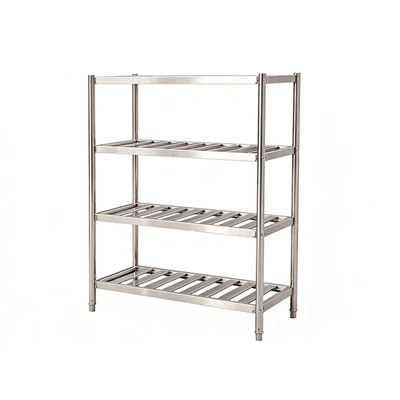
Speaking of breading—your breading station matters way more for arancini than you think. Home cooks use a plate for flour, egg wash, and breadcrumbs, but commercial breading stations are designed to keep each layer consistent and cut down on waste. Breading arancini by hand means you’re using way too much flour or breadcrumbs, and some balls end up with a thick, lumpy crust while others have none. A commercial arancini-specific breading station has three separate compartments: one for flour, one for egg wash (usually a mix of eggs and milk, sometimes a little cornstarch to help it stick), and one for fine breadcrumbs (panko is best for crunch, by the way). Some even have a vibrating tray that shakes off excess breading, so every arancini has a thin, even layer. This not only cuts down on breading waste by 30-40% but also ensures the crust is uniform. The last thing you want is a customer biting into an arancini that’s 50% breading and 50% risotto—that’s just not worth the profit or the good word of mouth. Also, pro tip: let the breaded arancini rest on a wire rack for 10 minutes before frying. It helps the breading set, which prevents it from falling off in the fryer. But for that, you don’t need fancy equipment—just a commercial wire rack, which is easy to clean and lasts forever.
Now the big one: frying equipment. This is where most operators go wrong, and it’s the make-or-break step for arancini. Let’s start with what not to use: a basic countertop deep fryer that you use for French fries and chicken wings. Arancini are small, dense, and starchy—they cook fast, and if you’re dropping them in a fryer that’s crowded with other items, they’ll stick together, get greasy, or burn before the inside is hot. For arancini, you need a dedicated fryer (or at least a fryer that’s set aside for arancini, not used for other fried foods) with precise temperature control. Starchy foods like risotto need a fry temperature of 350-360°F. If the oil is too cold, the arancini will absorb too much oil, making them soggy and greasy. If it’s too hot, the outside burns before the inside is warm and the mozzarella is melty. Commercial fryers have much better temperature consistency than home models—they maintain the exact set temperature, even when you drop a whole basket of arancini in. For mid-volume (200-500 portions a day), a 15-20 pound countertop gas or electric fryer works perfectly, but make sure it has a basket that’s sized for arancini—you don’t want to overcrowd the basket. For higher volume, a floor fryer with a filtration system is worth the investment. Arancini fry oil can get a little starchy over time, so a filter removes food particles, extends oil life, and keeps the crust cleaner and crispier. Some operators also use pressure fryers for arancini, which cook them even faster, lock in moisture inside, and produce an ultra-crispy crust. But pressure fryers take a little more training to use safely, so they’re better for spots with dedicated arancini stations and staff who know how to operate them correctly. I always tell customers: test a small batch first, no matter what fryer you use. Drop 5 arancini, check the time (usually 2-3 minutes, depending on size), and adjust temp or time as needed. Don’t just follow the manufacturer’s settings—every risotto batch is a little different, so you’ve got to tweak to get it right.
Wait, what if you don’t want to fry all arancini? I know some healthier spots bake or air fry them, and there is commercial equipment for that too. Commercial convection ovens with air fry settings work great for arancini—they give a crisp crust without all the oil, which is perfect for cafes or restaurants that cater to health-conscious customers. Just keep in mind that baking arancini takes a little longer (10-12 minutes) and you have to flip them halfway to get even crispness. Commercial air fryers built for volume (not the small countertop ones for home) can crank out consistent arancini too, though I find that for true Italian-style arancini, a light fry gives the best texture. But it’s all about your customer base—we’ve got operators that do 100% fried, 100% baked, and even a mix depending on the location, and the equipment works for every scenario.
Also, don’t sleep on the holding and reheating equipment. Arancini are best fresh, but if you’ve got a line or a rush, you need to keep them warm without making them soggy. A commercial heated display case with a low-temperature setting (around 120°F) works, but make sure it has vents so moisture can escape—if it’s too humid, the crust gets soft. Some spots use a heated holding cabinet that keeps arancini warm for up to 45 minutes without losing crunch. And for reheating leftover arancini (or making ahead for a busy rush), a countertop convection oven or even an air fryer works way better than microwaves—microwaves turn them mushy in 10 seconds flat. The last thing you want is a customer waiting 10 minutes for arancini that’s cold on the inside and soggy on the outside because your holding equipment sucks.
Let’s be real for a second: a lot of small business owners look at commercial equipment and think it’s too expensive. But here’s the truth: wasting time, ruining batches, and losing regular customers because your arancini are inconsistent is way more expensive than investing in the right gear. I’ve seen a deli that was making 100 arancini a day by hand, wasting 20% of them because they stuck or fell apart, and paying one line cook $15 an hour just to shape them. They switched to a manual portion scoop and a tabletop arancini roller, cut prep time by 5 hours a week, and waste down to 5%. That’s an extra $2,000 a month in profit just from the right equipment. Another example: a food truck that was using a basic deep fryer for arancini, complaining they were too greasy, and getting bad reviews. They switched to a dedicated commercial arancini fryer with temperature control, and their Yelp reviews went up a full star, plus they could do double the volume in the same time.
Now, I’m not here to pressure you into buying the most expensive industrial line if you’re just starting out. We work with everyone: new food truck owners who need a small risotto cooker, delis needing a breading station, and big restaurant chains that need full production lines. The key is to figure out your volume, your customer’s needs, and how much labor you’ve got. If you’re only making 50 arancini a day, you don’t need a $10,000 industrial roller— a $200 manual portion scoop and a $1,500 countertop risotto cooker will do the trick. If you’re doing 1,000 a day, it’s time to step up to a tabletop automatic roller and a dedicated fryer.
At the end of the day, arancini are a simple, beloved snack, but making them commercially well takes the right tools. Home cooks can get away with winging it, but when you’re running a business, consistency is everything. No one comes back for arancini that are too greasy, too small, or have mozzarella oozing out because your breading fell off. The equipment I’ve talked about isn’t just fancy gadgets—it’s the stuff that makes your arancini taste good, keep your costs down, and turn first-time customers into regulars.
If you’re currently struggling with your arancini process, or you’re looking to add arancini to your menu and don’t know where to start with equipment, let’s chat. We don’t do one-size-fits-all, and we’ll help you pick exactly what you need for your specific operation, no empty sales pitches or overpriced gear you don’t need. Shoot us a message to get the conversation going—let’s make your arancini the best part of your menu.
Commercial Dishwashers References
- National Restaurant Association. (2023). Commercial Kitchen Equipment Guide for Italian Food Operations.
- Foodservice and Hospitality Magazine. (2022). Optimizing Arancini Production for High-Volume Food Service.
- International Association of Culinary Professionals. (2021). Consistent Texture in Italian Stuffed Fried Foods for Commercial Use.
Zhejiang Anneng Kitchen Equipment Co., Ltd.
As one of the most experienced commercial cooking equipment manufacturers and suppliers in China, we also accept customized order. With abundant experience, we warmly welcome you to wholesale advanced commercial cooking equipment in stock from our factory. For quotation, contact us now.
Address: No. 1003 Donghai Avenue, Taizhou Bay New Area, Taizhou City, Zhejiang Province
E-mail: 13968527240@163.com
WebSite: https://www.annengkitchen.com/
