What are the anti – static properties of a conveyor machine?
As a seasoned supplier in the conveyor machine industry, I’ve witnessed firsthand the critical role that anti – static properties play in the performance and safety of these essential industrial tools. In this blog, I’ll delve into the significance of anti – static features in conveyor machines, how they work, and why they are a must – have for many industries. Conveyor Machine

The Importance of Anti – Static Properties
In industrial settings, static electricity can be more than just a minor nuisance; it can pose serious risks. When a conveyor machine is in operation, the continuous movement of materials, especially those with low conductivity, can generate static charges. These charges can accumulate on the surface of the conveyor belt, rollers, and other components.
Safety Hazards
One of the most significant risks associated with static electricity is the potential for electrostatic discharge (ESD). In environments where flammable gases, vapors, or dust are present, an ESD can act as an ignition source, leading to explosions or fires. For example, in the chemical, pharmaceutical, and food processing industries, where fine powders and volatile substances are common, the presence of static electricity on a conveyor machine can be a ticking time bomb.
Product Quality Issues
Static electricity can also have a negative impact on product quality. In the electronics industry, for instance, ESD can damage sensitive electronic components. A single static discharge can cause latent defects in integrated circuits, which may not manifest until later in the product’s lifecycle, leading to costly returns and customer dissatisfaction. In the textile industry, static charges can attract dust and lint to the fabric being transported on the conveyor, affecting the appearance and quality of the final product.
Operational Efficiency
Static – related problems can disrupt the normal operation of a conveyor machine. The attraction of dust and debris to the conveyor belt can cause blockages, uneven wear, and increased friction. This, in turn, can lead to increased energy consumption, more frequent maintenance, and reduced overall productivity. For example, in a packaging facility, static – induced blockages can slow down the packaging process, leading to missed deadlines and lost revenue.
How Anti – Static Conveyor Machines Work
To mitigate the risks associated with static electricity, conveyor machines can be equipped with various anti – static properties and technologies.
Anti – Static Conveyor Belts
One of the most common ways to prevent static buildup is by using anti – static conveyor belts. These belts are typically made from materials that have a low electrical resistance, allowing static charges to dissipate quickly. For example, some belts are made with conductive polymers or infused with carbon particles. These conductive elements create a pathway for the static charges to flow to the ground, preventing their accumulation on the belt surface.
Grounding Systems
Proper grounding is another essential aspect of anti – static conveyor machines. A grounding system provides a direct path for static charges to flow safely into the earth. This is usually achieved by connecting the metal frame of the conveyor machine to a grounding rod buried in the ground. By ensuring that the conveyor is properly grounded, any static charges that do build up on the machine can be rapidly discharged, reducing the risk of ESD.
Ionizing Bars
Ionizing bars are often installed near the conveyor to neutralize static charges in the surrounding air. These bars generate a stream of ions, both positive and negative. When these ions come into contact with the static – charged surfaces of the conveyor or the materials being transported, they neutralize the charges, reducing the overall static level. Ionizing bars are particularly useful in environments where the conveyor is handling materials that are prone to generating high levels of static electricity.
Anti – Static Coatings
Some conveyor machine components, such as rollers and pulleys, can be coated with anti – static materials. These coatings have a similar effect to anti – static belts, providing a low – resistance surface that allows static charges to dissipate. Anti – static coatings can also help to reduce friction, which in turn can further minimize static generation during the operation of the conveyor machine.
Industries That Benefit from Anti – Static Conveyor Machines
Electronics Industry
As mentioned earlier, the electronics industry is extremely sensitive to ESD. Conveyor machines used in the manufacturing, assembly, and testing of electronic components must have excellent anti – static properties to protect the delicate circuits from damage. From the production of smartphones to the assembly of computer motherboards, anti – static conveyor systems are essential for ensuring high – quality products and minimizing production losses.
Chemical and Pharmaceutical Industries
In these industries, the handling of flammable and explosive substances is common. Anti – static conveyor machines are crucial for preventing fires and explosions caused by static discharges. Whether it’s transporting chemical powders or pharmaceutical ingredients, the anti – static features of the conveyor ensure the safety of the workers and the integrity of the products.
Food Processing Industry
In the food processing industry, hygiene and product quality are of utmost importance. Static electricity can attract dust and contaminants to the food products being transported on the conveyor. Anti – static conveyor machines help to keep the food clean and free from foreign particles, ensuring that the final products meet the strict quality and safety standards.
Textile Industry
Textiles are prone to generating static charges during processing and transportation. Anti – static conveyor systems are used to prevent the attraction of dust and lint to the fabrics, maintaining the appearance and quality of the textiles. Additionally, reducing static electricity can improve the efficiency of the textile production process by minimizing disruptions caused by static – related blockages.
Choosing the Right Anti – Static Conveyor Machine
When selecting an anti – static conveyor machine for your business, there are several factors to consider.
Material Compatibility
The anti – static properties of the conveyor machine should be compatible with the materials being transported. For example, if you’re handling highly conductive materials, the requirements for anti – static features may be different compared to when you’re transporting non – conductive materials. Make sure to choose a conveyor that is designed to handle your specific materials effectively.
Environmental Conditions
The operating environment of the conveyor machine can also affect its anti – static performance. In high – humidity environments, static electricity is less likely to build up compared to low – humidity environments. Consider the ambient temperature, humidity, and the presence of flammable substances in your facility when selecting an anti – static conveyor.
Compliance with Standards
Many industries have specific standards and regulations regarding static electricity and ESD protection. Ensure that the anti – static conveyor machine you choose complies with these standards. For example, in the electronics industry, the conveyor should meet the requirements of standards such as ANSI/ESD S20.20.
Conclusion
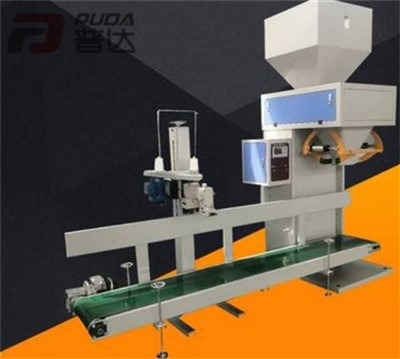
The anti – static properties of a conveyor machine are not just an added feature; they are a necessity for many industries. From ensuring safety and product quality to improving operational efficiency, anti – static conveyor machines play a crucial role in modern industrial processes. As a supplier, I understand the unique needs of different industries and can provide customized anti – static conveyor solutions to meet your specific requirements.
Industrial Bagging Machine If you’re in the market for a reliable anti – static conveyor machine or have any questions about our products and services, I encourage you to reach out to us for a detailed discussion. Our team of experts is ready to assist you in finding the perfect conveyor solution for your business.
References
- "Static Electricity in Industry: Detection and Control" by Neil A. Dart
- "ESD Handbook ESD TR20.20-2014: A Guide to the Development of an Electrostatic Discharge Control Program for Protection of Electrical and Electronic Parts, Assemblies and Equipment (Excluding Electrically Initiated Explosive Devices)" by the Electrostatic Discharge Association
Qinhuangdao PUDA Electronic Co.,Ltd
We’re professional conveyor machine manufacturers and suppliers in China, specialized in providing customized products made in China with competitive price. If you’re going to buy high quality conveyor machine for sale, welcome to get quotation from our factory.
Address: No.4, Shengjinhu Road, Development Zone, Qinhuangdao, Hebei, P.R.China
E-mail: puda2020@aliyun.com
WebSite: https://www.puda-en.com/
