Winter’s rolling in—and if you’re like most of the gardeners, small property owners, or even folks with a tiny suburban yard I chat with daily, you’re staring at the same two headaches: heavy, messy snow to clear from your walkways, patio, or side path, and a garage full of tools you only use once or twice a season. Last December, a regular customer of mine—who runs a small community community garden—emailed me out of frustration, asking the question that’s been bouncing around my sales desk for months: Can a garden cart actually be used for snow removal? Garden Cart
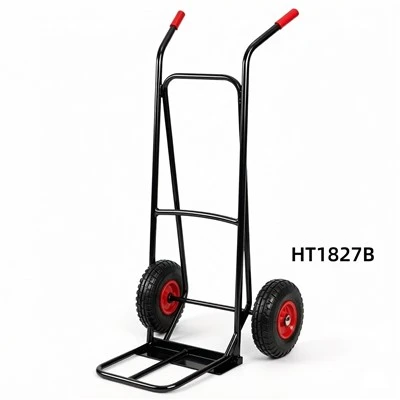
For years, I’d seen customers rigging up their standard poly garden carts to haul snow, stacking more than I thought they could handle and navigating icy driveways with them. But as someone who’s spent the last seven years selling garden carts to people who actually use them for planting, hauling soil, and moving garden debris, I wanted to dig a little deeper. It’s not just about slinging snow into a pile for the sake of it—it’s about doing it safely, not ruining your cart, and not turning a simple chore into a trip to the ER.
First, let’s get the basic science out of the way: what makes a garden cart work, and how does it hold up to ice and snow? Most standard garden carts fall into three main categories: poly-walled tubs, steel beds, and canvas-style utility carts. Steel beds are usually the heaviest, built to handle rough loads like mulch and large rocks, while poly carts are lightweight, resistant to rust, and easy to clean—two big wins for snow. Canvas carts, on the other hand, are flimsy and prone to tearing when loaded with dense, wet snow, so we’re going to focus on the first two for this discussion.
A garden cart’s wheel design is also non-negotiable here. The best ones for snow have wide, treaded wheels—not the narrow, smooth tires you use for mowing the lawn. Narrow tires sink into deep powder and slide on ice, while wide, air-filled or even solid rubber tires distribute weight better, keeping the cart stable and preventing it from getting stuck. That’s why I always recommend looking for carts with at least 10-inch wheels when considering snow use; smaller 8-inch tires can handle a little light powder, but once snow hits 6 inches or more, they become a nightmare.
Now, let’s talk about what works—and what doesn’t. The biggest benefit of using a garden cart for snow removal is portability. Unlike a bulky snow blower that takes up half your garage, a garden cart folds or disassembles easily, so you can store it right next to your lawn mower all year round. For small spaces—front walks, back patios, narrow pathways around a garden shed—it’s way more maneuverable than a snow shovel, and it’s gentler on your back, too. Most garden carts have a 300 to 500-pound weight capacity (we test every single cart to make sure this number is accurate, by the way, not just printed on the box), and wet, dense snow weighs about 20 pounds per cubic foot, while light powder is only 5 to 10 pounds per cubic foot. That means a good cart can hold 15 to 30 cubic feet of snow—enough to clear a 10-foot walkway in just a few loads, way faster than shoveling.
But there are limits, and this is where most people go wrong. First, never load more than 75% of your cart’s weight capacity for snow. I had a customer last winter who loaded his 500-pound capacity cart with 420 pounds of wet snow (that’s almost 21 cubic feet) and tried to pull it up a slight incline on his driveway. The cart’s axle bent, the wheel cracked, and he had to bring it to my shop for repairs. Why is that number important? The extra weight strains not just the cart’s frame, but also the wheels and the hitch (if your cart has one to attach to a lawn tractor or ATV). Even if you’re moving it by hand, pulling a fully loaded cart that’s too heavy can throw out your back or cause you to slip on ice—something no one needs when it’s 20 degrees outside.
Another big mistake: not prepping your cart for snow before you use it. Poly tubs are great, but if they’re not clean, snow will stick to the sides and bottom, making the load heavier and harder to dump. I tell all my customers to spray the inside of the tub with a silicone-based lubricant or even a light coat of cooking spray before the first snowfall. It doesn’t damage the cart, and it makes snow slide right out when you tip it over. For steel beds, you want to wipe them down with a dry cloth first, and maybe add a light coat of rust-resistant spray if they’re exposed to moisture regularly—snow and salt can cause rust over time if you leave it sitting in the cart.
What about ice? Can you use a garden cart to move ice chunks, or is that a bad idea? Small ice chunks (less than 6 inches across) are fine, but large, sharp ice can scratch poly tubs and bend steel beds. It’s also super heavy—one cubic foot of ice is about 57 pounds, so a cart would only hold a few chunks before hitting its weight limit. If you need to move ice, it’s better to break it into small pieces first, and never use the cart to push or plow ice. Pushing a pile of ice can put way too much pressure on the cart’s frame, leading to bends or cracks. Stick to loading loose snow and small ice bits, and you’re good to go.
Now, let’s talk about safety, because that’s the biggest factor when using any tool in the winter. First, wear boots with good traction—steel toe boots are fine, but even a pair of winter boots with deep treads will prevent you from slipping while pulling a cart on ice. Never walk backwards while pulling a loaded cart; you can’t see where you’re stepping, and you might trip over a curb or a rock. Always keep the cart in front of you, walking slowly on cleared paths. If you’re using a lawn tractor or ATV to pull the cart (another common use), make sure the hitch is secure and the tractor’s tires are properly inflated and have snow treads. Never exceed the tractor’s towing capacity, either—add the cart’s weight plus the snow weight to the tractor’s total load limit to avoid accidents.
Another safety tip: only use your garden cart for snow removal if you have the right storage space. After you’re done, you need to dump the cart, clean it off, and dry it completely before putting it away. If you leave snow in the cart overnight, it will melt and refreeze, causing the tub to warp, the wheels to freeze to the frame, and rust to form on metal parts. Last year, a customer brought in a 3-year-old poly cart that he’d left with a load of snow in his unheated garage, and the tub had bulged so bad it wouldn’t tip anymore. We repaired it, but it took more work than if he’d just dried it off after use.
Now, is there any scenario where a garden cart is a bad choice for snow removal? Definitely. If you have a long, steep driveway (more than 10% grade) that needs 12 inches or more of snow cleared, a garden cart won’t be as efficient as a snow blower or a plow. The weight will be too much to pull, and you’ll be making dozens of trips up and down the driveway, wasting time and energy. If you have a large property (more than a quarter acre), a snow blower will also get the job done faster, but if you’re short on garage space or only need to clear small, tight areas, the garden cart is a perfect alternative.
I also asked a structural engineer friend of mine who works with outdoor tools to weigh in on this, just to make sure I wasn’t giving bad advice. He confirmed that most standard garden carts are built to withstand heavy, uneven loads, and with proper use (not overloading, maintaining the cart, using treaded wheels), they’re perfectly safe for snow removal. “The key is that you’re not using it for something it wasn’t designed for—just adapting its use to a winter task,” he said. “It’s not a plow, and it’s not a snow blower, but it’s a great tool for small, targeted snow clearing.”
One thing I love about this whole snow cart idea is how many people are finding creative uses for it this winter. A customer in Portland used his poly cart to clear snow from his small front porch, dumping it into a pile at the edge of his yard without tracking any into his house. A gardener in Seattle used his steel-bed cart to haul snow to the garden beds, where it melted slowly and watered the plants over the winter—smart, right? That’s the kind of practical use I’ve always loved about garden carts: they’re not just for gardening.
But let’s circle back to the original question: Can a garden cart be used for snow removal? The short answer is yes—with a few important caveats. You need to choose the right type of cart (poly or steel, with wide treaded wheels), stay under the weight limit, prep the cart to prevent snow from sticking, clean and dry it after use, and only use it for small, accessible areas. If you follow those rules, a garden cart is a cost-effective, space-saving alternative to other snow removal tools, and it’s gentle on your back compared to shoveling.
Now, if you’re thinking about trying this out for your own property, I always recommend checking your cart’s specific weight capacity and wheel design first. If you don’t have a cart yet, look for one that’s built with winter use in mind—we sell carts with reinforced frames, wide snow-ready tires, and poly tubs that resist rust and warping, all at a price that’s way lower than a snow blower.

For anyone looking to add a versatile tool to their shed that works in both summer and winter, a garden cart is worth considering. If you have questions about which cart is right for your snow removal needs, or want to talk about bulk orders for small businesses, community gardens, or property management groups, we’d love to connect with you. Just reach out to our team to schedule a conversation, and we can walk through all the details to make sure you get a cart that fits your needs, whether you’re hauling soil in May or snow in January.
Garden Cart Reference:
- American National Standards Institute (ANSI). Standard for Utility Carts and Garden Wagons. ANSI/OPEI B71.11-2020.
- Snow Removal Best Practices Guide. International Home and Garden Products Association, 2023.
- Structural Load Testing for Outdoor Utility Equipment. Outdoor Power Equipment Institute Technical Report, 2022.
- Garden Cart Usage and Maintenance Guidelines. National Gardening Association, 2021.
Qingdao Herzhe Tools Manufacturing Co., Ltd.
Qingdao Herzhe Tools Manufacturing Co., Ltd. is one of the most professional garden cart manufacturers and suppliers in China. We have world-leading production equipment and strong manufacturing capabilities. Please feel free to buy advanced garden cart at competitive price from our factory.
Address: No. 406 Shuangfushan Road, Baoshan Town, Qingdao CHINA
E-mail: herzhetool@163.com
WebSite: https://www.herzhetoolsmfg.com/
