If you’ve ever held a crisp, glossy greeting card that shimmers with tiny rainbows when tilted, or opened a product box that glints with intricate, moving shapes without ever touching a 3D printer, you’ve interacted with one of the most underrated workhorses of packaging and print design: holographic thermal laminating film. As a supplier of these films, I field questions every week from print shops, brand owners, and packaging teams asking the same thing: What, exactly, does this stuff do beyond making things look pretty? It’s a fair question—when I started in this industry 12 years ago, I thought the same thing. Back then, I’d spend my days walking shop floors, troubleshooting film application machines, and listening to frustrated clients whose “fancy hologram” ended up peeling off their product boxes three months later. Over time, though, I’ve learned that holographic thermal laminating film is far more than a decorative add-on. It’s a functional layer that solves real problems for businesses, protects their products, and turns generic printed materials into assets that drive sales. Let’s break down exactly what that function is, beyond the surface-level shine. Holographic Thermal Laminating Film
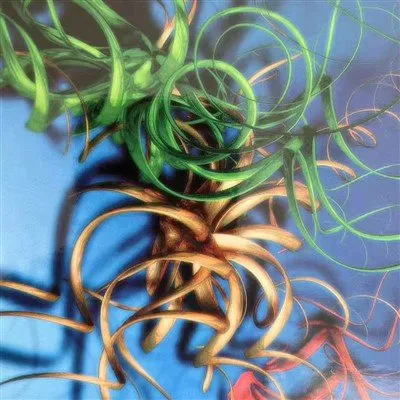
First, let’s get the basics straight for anyone new to the game. Thermal laminating film works by melting a thermoplastic adhesive layer when run through a heated laminator, bonding permanently to a printed paper or cardstock surface. Holographic variants take that a step further: they’re embedded with micro-scaled embossed patterns (think tiny lines, dots, or even custom shapes like logos or brand motifs) that diffract light into distinct, often shifting, colors. That’s the visual magic—but the functions start with the physical protection that the thermal lamination core provides. This is the foundation of what makes holographic films different from self-adhesive holographic stickers, a common point of confusion for new customers. Unlike stickers, which can bubble or lift at the edges, thermal laminations are integrated into the print itself, creating a continuous, impenetrable barrier. That means they protect against scuffs, scratches, water, and UV damage, which is critical for items that see heavy handling or long shelf life.
Let’s talk about durability first, because that’s where most of our repeat business comes from. Take product labels, for example. A lot of our clients are small-batch food producers selling artisanal jams or craft beer—products that sit on store shelves for 6 to 12 months, sometimes get bumped by shopping carts, get handled by customers who forget their hands are sticky, or get left in direct sunlight near a checkout. A regular paper label will smudge, fade, or tear after two or three months. A printed label laminated with our holographic film? It stays crisp, the colors don’t bleed, and the holographic pattern doesn’t crack or peel, even if the box gets dropped. We had a craft brewery client last year who switched from matte paper labels to our silver geometric holographic film for their seasonal IPA. They told us that before, they’d get dozens of calls a month from customers complaining that the labels looked worn or faded before the beer was even opened. After switching? That number dropped to two calls total, both about off-tasting beer—not the labels. The durability function here isn’t just a nice bonus; it builds trust with customers. If a product’s label looks well-cared for, customers assume the product inside is too. That’s a subtle but powerful sales driver that I don’t think enough businesses recognize.
Next up: counterfeit protection, which is a function that’s become non-negotiable for a lot of our clients in luxury goods, pharmaceuticals, and consumer electronics. Counterfeiting isn’t just a problem for high-end watches or designer handbags—fake vitamins, electronics accessories, and even pet food are a $600 billion global industry, according to the International Trademark Association. Holographic thermal laminating film is one of the most cost-effective anti-counterfeit tools available, and it’s way harder to replicate than a plain logo or even a standard watermark. The micro-patterns on our films are embossed at a scale that’s impossible to reproduce with cheap printing equipment. A counterfeiter can print a hologram on a sticker, but that sticker will be flat, with no actual diffraction effect—when you tilt it, it will look like a static photo, not a shifting, dynamic pattern like the real thing. We work with a luxury skincare brand that laminates their product boxes with a custom holographic pattern featuring their brand’s orchid logo. They told us that before switching, they’d found fake boxes in discount websites selling for half the price, and the real product was losing 15% of their holiday sales to fakes. After implementing the laminated boxes, the fake listings dropped by 90% within six months. That’s the function of the hologram layer specifically—it acts as a visible, instant authentication marker that doesn’t require a scanner or special technology to use. A customer just tilts the box, sees the shifting orchid, and knows it’s the real thing.
Then there’s the brand visibility function, which is where the decorative part of the film turns into a strategic marketing tool. Let’s be real—shelf space is a war. A grocery store shelf has hundreds of products competing for a customer’s attention, and most printed materials get lost in the shuffle. A recent study by the Print Industries Association found that products with holographic laminations stand out 27% more than plain printed products in low-light or bright overhead lighting. That’s huge. We had a client who sells custom wedding invitations—something that needs to feel luxurious and special, not just a piece of paper. They used to print on glossy cardstock, but switched to our iridescent holographic film two years ago. They told us that their invitation response rate went up by 18% because couples would show the invitations to friends and family, who would comment on the shiny, unique look. That visibility isn’t just for physical shelves, either. In the age of social media, a holographic laminating film makes products and prints more shareable. A customer takes a photo of a product box that shimmers in the sun, posts it to Instagram, and suddenly the brand is reaching hundreds or thousands of people for free. I’ve seen this firsthand—last month, a small candle brand we work with posted a Reel of their new holographic candle boxes, getting 1.2 million views, and they reported a 30% jump in online sales that week. That’s not just pretty—it’s a tangible marketing function.
Wait, but let’s be honest—there are limits to what holographic thermal laminating film can do, and it’s important to be transparent about that, because I’ve had clients come to me expecting it to do things it never will. For example, it’s not a barrier against extreme heat or cold—we recommend it for products that stay between -20°F and 140°F, so it’s great for boxes, labels, and invitations, but not for outdoor signage that’s exposed to 100-degree summer heat all day. It also doesn’t fix a bad printed design—if your original print is blurry, laminating it will make the blurriness more noticeable, not less. And it’s not a replacement for specialized films if you need something like tear resistance for construction materials or chemical resistance for industrial products. But for the 90% of our clients who use it for packaging, print, and promotional materials, it hits those core functions perfectly.
A common question I get is: “Is it better than other holographic options?” The short answer is: it depends on what you need. Holographic stickers are cheaper for small runs, but they peel, they don’t bond permanently, and they’re not as durable. UV varnish adds a shine, but it doesn’t have the diffraction effect, and it scratches off easily after a few touches. Thermochromic or UV-reactive holographic films are cool, but they require a special light or temperature to activate, so they’re not good for everyday use. Holographic thermal laminating film, though, balances cost, functionality, and flexibility. We can custom-cut it to any size, add your brand’s specific holographic pattern (from geometric shapes to full-color custom designs), and apply it to any printed substrate—paper, cardstock, even thin corrugated cardboard. We work with print shops that do small runs of 500 greeting cards, and large packaging companies that do 10 million label rolls for major retailers, so it works for every scale.
Let’s circle back to why this matters, because at the end of the day, every product a business makes is a representation of their brand. I started this business because I saw too many small businesses investing time and money into great products, only to let their packaging or printed materials look generic or worn. Holographic thermal laminating film turns that around. It doesn’t just add shine—it protects your product, keeps counterfeits away, makes your brand stand out on shelves, and builds trust with customers. It’s not a gimmick, even though it looks like one. I’ve seen it save small businesses from losing sales, help luxury brands protect their reputation, and help artisanal producers turn their products into memorable, shareable items.
If you’re a print shop owner looking to add a high-value service to your offerings, a brand manager tired of generic packaging, or a small business owner wanting to make your products stand out, this is the functional layer you’ve been missing. We work with clients across industries, from food and beverage to skincare to event planning, and we’re happy to walk through your specific needs, answer questions about application, or provide samples so you can test how the film works on your own prints. The best part? It’s adaptable—we can adjust the hologram pattern, finish (matte, gloss, iridescent, metallic), and thickness to fit your budget and use case, so you don’t have to overspend on features you won’t use.
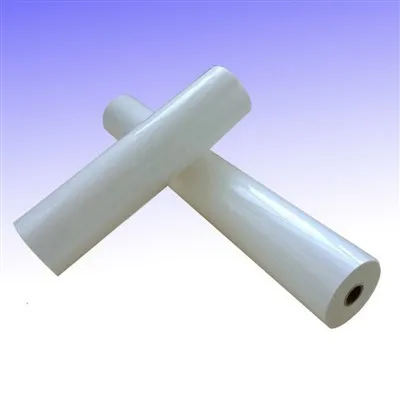
I’ve been in this industry long enough to know that a lot of people write off holographic films as a trend that will fade. But every year, we get more requests, not less. More brands are realizing that functional packaging doesn’t have to be boring, and that a little bit of shine can go a long way in building customer loyalty and driving sales. At the end of the day, that’s the real function of holographic thermal laminating film: it’s a silent partner that works behind the scenes to make your products look better, last longer, and earn more trust from the people who buy them. If you’re ready to see how it can work for you, reach out and let’s talk through your project. We’re here to help you find the right solution, no matter the size.
Digital Thermal Laminaton Film References
International Trademark Association. (2023). Global Counterfeiting Report. Print Industries Association. (2022). Retail Shelf Impact of Promotional Print Materials. Lamination Institute. (2021). Durability Standards for Thermal Laminating Films in Consumer Packaging.
Yantai Hongqing Packing Material Co., Ltd.
Yantai Hongqing Packing Material Co., Ltd. is one of the most professional holographic thermal laminating film manufacturers and suppliers in China, also supports customized service. Welcome to wholesale advanced holographic thermal laminating film made in China here and get quotation from our factory. Quality products and reasonable price are available.
Address: Eastern Industrial Park, Taocun, Yantai, Shandong Province, China
E-mail: cindy@ythongguang.cn
WebSite: https://www.hqingnewmat.com/
