As a seasoned supplier in the rod seal industry, I’ve encountered numerous inquiries about the maximum pressure a rod seal can withstand. This question is not only crucial for engineers and manufacturers but also for anyone involved in hydraulic and pneumatic systems. In this blog post, I’ll delve into the factors that determine the pressure resistance of rod seals, the types of seals available for high – pressure applications, and how to select the right seal for your specific needs. Rod Seal

Factors Affecting the Maximum Pressure Resistance of Rod Seals
The maximum pressure a rod seal can withstand is influenced by several key factors. Understanding these factors is essential for designing and operating systems that can handle high – pressure environments safely and efficiently.
Material Composition
One of the most significant factors is the material used to manufacture the rod seal. Different materials have different mechanical properties, such as hardness, elasticity, and chemical resistance. For example, polyurethane (PU) is a popular choice for rod seals due to its high abrasion resistance and good elasticity. PU seals can typically withstand pressures up to 35 MPa (5000 psi) in hydraulic systems. On the other hand, polytetrafluoroethylene (PTFE) is known for its excellent chemical resistance and low friction coefficient. PTFE – based seals can handle very high pressures, sometimes exceeding 70 MPa (10000 psi), especially in applications where chemical compatibility is a concern.
Seal Design
The design of the rod seal also plays a crucial role in determining its pressure – handling capabilities. Lip seals, which are the most common type of rod seal, rely on the flexibility of the lip to create a sealing interface. The geometry of the lip, such as its angle, thickness, and contact area, affects how well it can withstand pressure. A well – designed lip seal will have a proper balance between flexibility and stiffness to maintain a tight seal under high pressure without excessive deformation.
Another design factor is the presence of backup rings. Backup rings are often used in high – pressure applications to prevent the seal from extruding into the clearance between the rod and the housing. They are typically made of a harder material than the primary seal and provide additional support. The use of backup rings can significantly increase the maximum pressure a rod seal can withstand.
Operating Conditions
The operating conditions of the system, such as temperature, speed, and fluid type, also impact the pressure resistance of rod seals. High temperatures can cause the seal material to soften, reducing its ability to withstand pressure. For example, many elastomeric seals have a limited temperature range within which they can operate effectively. If the temperature exceeds this range, the seal may fail prematurely.
The speed of the rod movement can also affect the seal’s performance. High speeds can generate more heat and cause the seal to wear more quickly. In addition, the type of fluid used in the system can have a chemical effect on the seal material. Some fluids, such as aggressive chemicals or high – viscosity oils, may require specialized seal materials to ensure long – term durability and pressure resistance.
Types of Rod Seals for High – Pressure Applications
There are several types of rod seals available for high – pressure applications, each with its own unique features and advantages.
Single – Acting Lip Seals
Single – acting lip seals are designed to seal in one direction only. They are commonly used in hydraulic cylinders where the pressure acts on one side of the piston. These seals are relatively simple in design and can be very effective in low – to medium – pressure applications. However, for high – pressure applications, they may require the use of backup rings to prevent extrusion.
Double – Acting Lip Seals
Double – acting lip seals can seal in both directions, making them suitable for applications where pressure can act on either side of the piston. They are more complex than single – acting lip seals but offer better sealing performance in high – pressure systems. Double – acting lip seals are often used in reciprocating pumps and hydraulic actuators.
Packings
Packings are a type of rod seal that consists of multiple rings or layers of material. They are typically used in high – pressure, high – temperature applications where other types of seals may not be suitable. Packings can be made of various materials, such as PTFE, graphite, or asbestos – free fibrous materials. They are installed in a gland and compressed to create a seal around the rod.
Selecting the Right Rod Seal for High – Pressure Applications
Selecting the right rod seal for high – pressure applications requires careful consideration of several factors. Here are some guidelines to help you make the right choice:
Determine the Operating Pressure
The first step is to accurately determine the maximum pressure that the seal will need to withstand. This includes both the normal operating pressure and any potential pressure spikes that may occur during system operation. Make sure to take into account the safety factor to ensure that the seal can handle unexpected pressure increases.
Consider the Temperature Range
As mentioned earlier, temperature can have a significant impact on the performance of rod seals. Determine the minimum and maximum temperatures that the seal will be exposed to and select a material that can operate effectively within this range.
Evaluate the Fluid Compatibility
The type of fluid used in the system is another important consideration. Different seal materials have different levels of chemical resistance to various fluids. Make sure to choose a seal material that is compatible with the fluid to prevent swelling, degradation, or other forms of damage.
Assess the Rod Speed and Stroke Length
The speed of the rod movement and the stroke length can affect the wear rate of the seal. For high – speed applications, a seal with good abrasion resistance and low friction is essential. Similarly, for long – stroke applications, the seal should be able to maintain its sealing performance over an extended distance.
Conclusion
In conclusion, the maximum pressure a rod seal can withstand depends on a variety of factors, including material composition, seal design, and operating conditions. By understanding these factors and carefully selecting the right seal for your application, you can ensure the reliable and efficient operation of your hydraulic and pneumatic systems.
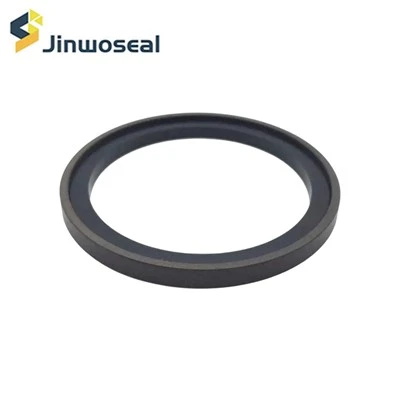
As a rod seal supplier, I have the expertise and experience to help you choose the best rod seal for your high – pressure applications. Whether you need a single – acting lip seal, a double – acting lip seal, or a specialized packing, I can provide you with high – quality seals that meet your specific requirements.
V-Ring If you’re in the process of selecting rod seals for your project or need advice on improving the performance of your existing sealing systems, I’m here to assist you. Contact me to start a discussion about your needs and explore the options available. I look forward to working with you to find the optimal rod seal solution for your high – pressure applications.
References
- "Sealing Technology Handbook" by John A. Day
- "Hydraulic Seals and Their Selection" by P. R. Wylie
- "Engineering Tribology" by Robert L. Johnson
Hebei Jinwo Machinery Technology Co., Ltd.
Hebei Jinwo Machinery Technology Co., Ltd. is one of the most professional rod seal manufacturers and suppliers in China, featured by quality products and good price. Welcome to buy bulk advanced rod seal in stock here and get pricelist from our factory. We also accept customized orders.
Address: Room 2109, Tower A, Meidong International, No.16 Guang’an Avenue, Chang’an District, Shijiazhuang City, Hebei Province, China
E-mail: info@jinwoseal.com
WebSite: https://www.jinwoseal.com/
