Troubleshooting a Vacuum Heat Treatment Furnace When It Malfunctions Vacuum Heat Treatment Furnace
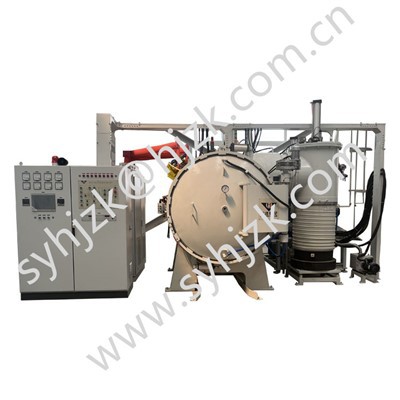
As a supplier of vacuum heat treatment furnaces, I’ve witnessed firsthand the importance of these machines in various industries. Vacuum heat treatment furnaces are crucial for processes like annealing, hardening, and tempering, providing precise temperature control and a contamination – free environment. However, like any complex piece of equipment, they can malfunction. In this blog, I’ll share some insights on how to troubleshoot a vacuum heat treatment furnace when it malfunctions.
Understanding the Basics of a Vacuum Heat Treatment Furnace
Before diving into troubleshooting, it’s essential to understand the basic components of a vacuum heat treatment furnace. A typical furnace consists of a chamber, heating elements, a vacuum system, a control system, and insulation. The chamber is where the heat treatment process takes place. The heating elements are responsible for raising the temperature inside the chamber, while the vacuum system removes air and other gases to create a low – pressure environment. The control system manages the temperature, pressure, and other parameters, and the insulation helps to maintain the heat inside the chamber.
Common Malfunctions and Their Causes
1. Temperature Issues
One of the most common problems is inaccurate temperature control. This can be caused by several factors.
- Faulty Thermocouples: Thermocouples are used to measure the temperature inside the furnace. If they are damaged or malfunctioning, they may provide incorrect temperature readings. For example, if the thermocouple is corroded due to high – temperature exposure over time, it can lead to inaccurate temperature measurements.
- Heating Element Problems: The heating elements may wear out or break. Over time, the constant heating and cooling cycles can cause the elements to degrade. If an element breaks, it will not be able to generate the required heat, resulting in a lower – than – expected temperature inside the furnace.
- Control System Errors: The control system may have software glitches or hardware failures. A software bug could cause the control system to misinterpret the temperature readings and adjust the heating elements incorrectly.
2. Vacuum System Problems
A proper vacuum is essential for the heat treatment process. If the vacuum system malfunctions, it can lead to issues.
- Leakage: Leaks in the vacuum chamber or the vacuum lines can prevent the furnace from achieving and maintaining the required vacuum level. Common causes of leakage include worn – out seals, cracks in the chamber, or loose fittings.
- Pump Failure: The vacuum pump is responsible for creating and maintaining the vacuum. If the pump fails, it could be due to mechanical problems such as a broken belt, a worn – out motor, or a clogged filter.
3. Electrical Problems
Electrical issues can also cause the furnace to malfunction.
- Power Supply Problems: A fluctuating power supply can damage the electrical components of the furnace. If the voltage is too high or too low, it can cause the heating elements, control system, or other electrical parts to malfunction.
- Wiring Issues: Loose or damaged wiring can lead to short circuits or intermittent power supply. Over time, the wiring may become frayed or disconnected due to vibration or heat.
Troubleshooting Steps
Step 1: Initial Inspection
When the furnace malfunctions, the first step is to conduct a visual inspection. Check for any obvious signs of damage, such as broken heating elements, loose wiring, or leaks in the vacuum system. Look for any error messages on the control panel. Some modern furnaces have diagnostic systems that can display error codes, which can provide valuable information about the problem.
Step 2: Check the Temperature Control
If there are temperature issues, start by checking the thermocouples. Use a multimeter to test the thermocouples for continuity. If a thermocouple is faulty, replace it. Next, inspect the heating elements. Look for signs of damage, such as breaks or discoloration. If an element is damaged, it should be replaced. Also, check the control system settings. Make sure the setpoints are correct and that the control system is functioning properly.
Step 3: Examine the Vacuum System
To check for vacuum leaks, you can use a helium leak detector. This device can detect even small leaks in the vacuum system. If a leak is found, identify the source and repair it. Check the seals, fittings, and the chamber for any signs of damage. If the vacuum pump is not working, check the power supply to the pump, the motor, and the filter. Replace any damaged parts as necessary.
Step 4: Address Electrical Problems
If there are electrical issues, start by checking the power supply. Use a voltmeter to measure the voltage at the furnace’s power inlet. If the voltage is outside the acceptable range, contact an electrician to fix the problem. Inspect the wiring for any signs of damage. Tighten any loose connections and replace any frayed or damaged wires.
Step 5: Consult the Manual and Technical Support
If you are unable to identify or fix the problem after following the above steps, consult the furnace’s user manual. The manual often contains troubleshooting guides and detailed information about the furnace’s components. If the problem persists, contact the manufacturer’s technical support team. They have the expertise and knowledge to help you diagnose and solve the problem.
Preventive Maintenance
To minimize the chances of furnace malfunctions, regular preventive maintenance is essential.
- Scheduled Inspections: Conduct regular inspections of the furnace, including checking the heating elements, thermocouples, vacuum system, and electrical components.
- Cleaning: Keep the furnace clean, especially the vacuum chamber and the heating elements. Remove any debris or contaminants that could affect the performance of the furnace.
- Calibration: Regularly calibrate the temperature sensors and the control system to ensure accurate temperature control.
Conclusion
Troubleshooting a vacuum heat treatment furnace when it malfunctions requires a systematic approach. By understanding the basic components of the furnace, identifying common malfunctions and their causes, and following the appropriate troubleshooting steps, you can effectively diagnose and fix most problems. However, if you encounter complex issues or are unsure about the troubleshooting process, it’s always advisable to seek professional help.

If you are in the market for a reliable vacuum heat treatment furnace or need assistance with troubleshooting your existing furnace, we are here to help. Our team of experts has extensive experience in the field and can provide you with the best solutions for your heat treatment needs. Contact us to discuss your requirements and explore how our products can meet your business goals.
Vacuum Heat Treatment Furnace References
- "Vacuum Heat Treatment Technology" by John Doe
- "Maintenance and Troubleshooting of Industrial Furnaces" by Jane Smith
Shenyang Hengjin Vacuum Technology Co., Ltd.
We’re well-known as one of the leading vacuum heat treatment furnace manufacturers and suppliers in China. If you’re going to buy customized vacuum heat treatment furnace with competitive price, welcome to get quotation from our factory.
Address: 1 Xueyuan Rd., Hunnan New District, Shenyang, China 110168
E-mail: syhjzk@syhjzk.com
WebSite: https://www.syhjzk.com/
